
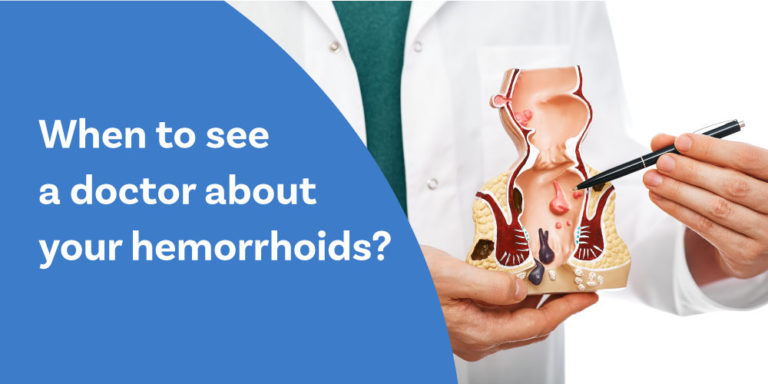
When to See a Doctor for Piles
Piles, medically known as Hemorrhoids, is a common condition that affects millions of people worldwide. It occurs when the veins in the rectum or anus become swollen due to increased pressure. Many people experience mild piles symptoms at some point in their lives, and in many cases, these symptoms can be managed with home remedies and lifestyle changes.
However, there are situations where medical attention becomes necessary. Knowing when to see a doctor for piles is very important because early diagnosis and treatment can prevent complications and improve recovery. Ignoring severe symptoms may lead to worsening pain, increased bleeding, or other health problems.
This article explains the warning signs and situations when it is important to consult a doctor for piles.
Understanding Piles Symptoms
Before discussing when to see a doctor, it is important to understand the common symptoms of piles. These symptoms may vary depending on the severity and type of the condition.
Common symptoms include:
Pain or discomfort around the anus
Bleeding during bowel movements
Itching or irritation near the anal area
Swelling or lumps around the anus
Difficulty sitting for long periods
In many cases, mild symptoms improve with proper diet, hydration, and healthy habits. However, persistent or severe symptoms should not be ignored.
Persistent Rectal Bleeding
One of the most important signs that you should see a doctor is persistent rectal bleeding. While small amounts of bright red blood during bowel movements may occur with piles, frequent or heavy bleeding requires medical evaluation.
Bleeding can sometimes be mistaken for piles but may also be a symptom of other digestive problems. A doctor can examine the condition and determine the exact cause of bleeding.
If bleeding occurs regularly or continues for several days, it is important to seek medical advice.
Severe Pain in the Anal Area
Mild discomfort is common with piles, but severe or constant pain may indicate a more serious problem. Intense pain can occur when a blood clot forms inside a hemorrhoid or when the hemorrhoid becomes severely inflamed.
Pain that interferes with daily activities such as sitting, walking, or passing stool should be evaluated by a healthcare professional.
Early treatment can help relieve pain and prevent complications.
Large or Painful Lumps Around the Anus
Another reason to see a doctor is the presence of large or painful lumps near the anus. External hemorrhoids often appear as small lumps, but if they become large or extremely tender, medical evaluation is necessary.
In some cases, these lumps may contain blood clots, a condition known as thrombosed hemorrhoids. This condition can cause intense pain and may require medical treatment.
A doctor can determine the appropriate treatment to reduce swelling and relieve discomfort.
Symptoms That Do Not Improve with Home Treatment
Many people try home remedies such as warm baths, increased fiber intake, and over-the-counter creams to manage piles symptoms. While these methods may help mild cases, they may not be effective for more advanced stages.
If symptoms persist for more than one or two weeks despite home treatment, it is advisable to consult a doctor.
A medical professional can provide proper diagnosis and recommend effective treatment options.
Difficulty Passing Stool
Difficulty passing stool or severe constipation can worsen piles and increase pain and bleeding. If bowel movements become extremely painful or difficult, medical advice may be needed.
A doctor can help identify the underlying cause of constipation and recommend treatment to improve bowel function.
Managing constipation is essential for preventing piles from worsening.
Prolapsed Hemorrhoids
In some cases, internal hemorrhoids may protrude outside the anus. This condition is known as prolapsed hemorrhoids.
At first, prolapsed hemorrhoids may return inside the rectum on their own. However, as the condition progresses, they may remain outside and cause discomfort, irritation, and hygiene difficulties.
If hemorrhoids remain outside the anus or cannot be pushed back inside, medical treatment may be required.
Signs of Infection or Complications
Although piles are usually not dangerous, complications can occur if the condition becomes severe. Signs that may indicate complications include:
Fever along with anal pain
Severe swelling or redness around the anus
Pus or unusual discharge
Increasing pain over time
These symptoms may suggest infection or other complications that require immediate medical attention.
Changes in Bowel Habits
If you notice sudden changes in bowel habits, such as persistent diarrhea or constipation, along with piles symptoms, it is important to consult a doctor.
Changes in bowel patterns may indicate underlying digestive issues that need proper diagnosis.
A doctor can perform examinations and tests to determine the cause and recommend appropriate treatment.
Diagnosis by a Doctor
When you visit a doctor for piles symptoms, the doctor will usually begin with a physical examination and discussion of your symptoms.
In some cases, additional tests may be recommended, such as:
Digital rectal examination
Anoscopy
Proctoscopy
These tests help confirm the diagnosis and determine the stage of the condition.
Treatment Options Provided by Doctors
If medical treatment is necessary, doctors may recommend several options depending on the severity of the condition.
Treatment options may include:
Prescription medications
Minimally invasive procedures such as rubber band ligation
Laser treatment
Surgical removal of hemorrhoids
These treatments are designed to relieve symptoms and prevent further complications.
Importance of Early Medical Consultation
Many people delay visiting a doctor because they feel embarrassed discussing piles symptoms. However, early consultation is important for effective treatment.
Seeking medical advice at the right time can prevent the condition from progressing to more severe stages that require surgery.
Doctors are trained professionals who treat these conditions regularly and can provide appropriate care.
Conclusion
Piles is a common condition that can often be managed with lifestyle changes and home remedies. However, certain symptoms require medical attention. Persistent bleeding, severe pain, large lumps near the anus, prolapsed hemorrhoids, and symptoms that do not improve with home treatment are important warning signs.
Consulting a doctor ensures accurate diagnosis and appropriate treatment. Early medical care can prevent complications and help patients recover more quickly.
If you experience persistent or severe piles symptoms, seeking professional medical advice is the best step toward maintaining good health and improving quality of life.