
Non-Surgical Piles Treatment Cost
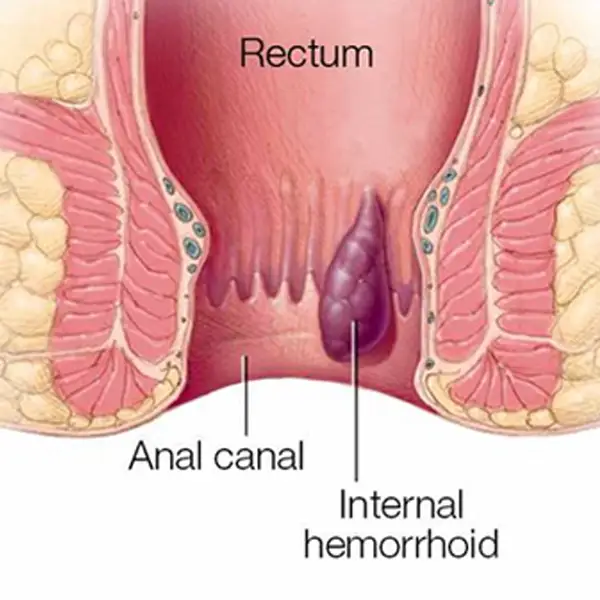
Piles, also called hemorrhoids, is a common medical condition that affects millions of people around the world. It occurs when veins in the lower rectum or anus become swollen due to pressure, constipation, prolonged sitting, pregnancy, or other factors. Many people worry about the pain and expense of surgery, but the good news is that non-surgical piles treatment is widely available and often more affordable.
Non-surgical treatment methods are designed to relieve symptoms, shrink hemorrhoids, and improve the patient’s quality of life without the need for major surgery. These treatments are usually performed in clinics or hospitals and allow patients to return to normal activities quickly.
This article explains the types of non-surgical piles treatments, their costs, and the factors that influence the overall expense.
What Is Non-Surgical Piles Treatment?
Non-surgical piles treatment refers to medical procedures that treat hemorrhoids without cutting or removing tissue through traditional surgery. These methods are minimally invasive and usually performed on an outpatient basis.
Doctors usually recommend non-surgical treatments for early stages of piles (Grade I and Grade II). In many cases, these procedures are effective and help patients avoid surgery.
Common non-surgical treatment methods include:
Rubber band ligation
Sclerotherapy
Infrared coagulation
Laser therapy
Medication and lifestyle management
These procedures focus on shrinking the hemorrhoids and reducing symptoms such as bleeding, itching, and discomfort.
Average Cost of Non-Surgical Piles Treatment
The cost of non-surgical piles treatment varies depending on the country, hospital, doctor’s expertise, and the type of procedure.
Typical Cost Range
Here are approximate costs for common non-surgical piles treatments:
Treatment Type Average Cost
Rubber Band Ligation 5,000 – 15,000 BDT
Sclerotherapy 10,000 – 30,000 BDT
Infrared Coagulation 10,000 – 25,000 BDT
Laser Treatment 45,000 – 70,000 BDT
In Bangladesh, laser piles treatment usually costs around 45,000 to 70,000 BDT depending on the clinic and severity of the condition.
Similarly, rubber band ligation in private clinics may cost around 5,000 to 15,000 BDT, making it one of the most affordable non-surgical options.
Types of Non-Surgical Piles Treatments
1. Rubber Band Ligation
Rubber band ligation is one of the most common non-surgical treatments for piles. During this procedure, the doctor places a small rubber band around the base of the hemorrhoid. This cuts off the blood supply, causing the hemorrhoid to shrink and fall off after a few days.
Advantages
Quick procedure (10–15 minutes)
Minimal pain
No hospital stay required
Fast recovery
This treatment is effective for internal hemorrhoids and is widely used because of its affordability and high success rate.
2. Sclerotherapy
Sclerotherapy is another non-surgical treatment where the doctor injects a special chemical solution into the hemorrhoid. This solution shrinks the blood vessels and causes the hemorrhoid to gradually disappear.
Benefits
Simple and quick procedure
Minimal discomfort
Suitable for small hemorrhoids
Patients usually return to normal activities within a short time after treatment.
3. Infrared Coagulation
Infrared coagulation is a modern treatment that uses infrared light to cut off blood supply to hemorrhoids. The heat from the light causes the tissue to shrink.
Key Features
Quick outpatient procedure
Minimal bleeding
No major recovery period
This treatment is most effective for early stages of piles.
4. Laser Piles Treatment
Laser therapy is one of the most advanced non-surgical treatments for hemorrhoids. A focused laser beam is used to shrink the swollen veins without damaging surrounding tissues.
Advantages of Laser Treatment
Less pain
Minimal bleeding
Faster recovery
Lower risk of infection
Although laser treatment is more expensive than other non-surgical options, many patients prefer it because of the quick recovery and reduced complications.
Factors That Affect Non-Surgical Piles Treatment Cost
Several factors can influence the cost of piles treatment.
1. Severity of the Condition
The stage of piles plays a major role in determining treatment cost. Early-stage hemorrhoids usually require simple procedures, which are cheaper.
Advanced cases may require more complex treatment, increasing the cost.
2. Type of Treatment
Different procedures have different costs. For example:
Rubber band ligation is cheaper
Laser therapy is more expensive
The doctor will recommend the most suitable treatment based on the patient’s condition.
3. Hospital or Clinic
Private hospitals and specialized clinics usually charge higher fees than government hospitals. However, they may provide more advanced facilities and shorter waiting times.
4. Doctor’s Experience
Highly experienced colorectal surgeons or specialists may charge higher consultation and treatment fees.
However, experienced doctors can provide better diagnosis and treatment outcomes.
5. Diagnostic Tests
Before treatment, doctors may recommend tests such as:
Proctoscopy
Colonoscopy
Blood tests
These tests can increase the overall treatment cost.
6. Medication and Follow-Up Care
After treatment, patients may need medications, creams, and follow-up consultations. These additional expenses should also be considered.
Benefits of Non-Surgical Piles Treatment
Non-surgical treatments have several advantages compared to traditional surgery.
1. Minimal Pain
Most procedures are performed with local anesthesia or without anesthesia, making them less painful.
2. Quick Recovery
Patients usually return to work within a day or two after treatment.
3. No Hospital Stay
Most non-surgical treatments are performed on an outpatient basis.
4. Lower Risk of Complications
These procedures have fewer complications compared to traditional surgery.
Tips to Reduce Treatment Costs
If you are worried about piles treatment expenses, the following tips can help reduce costs:
Visit government hospitals or public clinics
Choose early treatment to avoid surgery
Follow doctor’s advice to prevent recurrence
Maintain a healthy lifestyle
Early treatment is often cheaper and more effective.
Preventing Piles After Treatment
To avoid recurrence after treatment, doctors recommend lifestyle changes such as:
Eating a high-fiber diet
Drinking plenty of water
Exercising regularly
Avoiding prolonged sitting
Maintaining healthy bowel habits
These habits help reduce pressure on rectal veins and prevent piles from returning.
Conclusion
Non-surgical piles treatment is an effective and affordable option for many patients. Procedures such as rubber band ligation, sclerotherapy, infrared coagulation, and laser therapy can treat hemorrhoids without major surgery.
The cost of treatment varies depending on the procedure, hospital, and severity of the condition. In Bangladesh, non-surgical piles treatments can range from about 5,000 BDT to 70,000 BDT, depending on the method used.
If you experience symptoms such as bleeding, itching, or pain during bowel movements, it is important to consult a doctor as soon as possible. Early diagnosis and treatment can prevent complications and reduce overall treatment costs.
If you want, I can also write:
“Cost of piles treatment in Dhaka (1000 words SEO article)”
“Cheap piles treatment in Bangladesh (1000 words)”
“Laser piles treatment cost in Bangladesh (1000 words)”
These are very useful for SEO or blog websites.