
Best Sitting Position for Piles
Piles, medically known as Hemorrhoids, is a common condition that occurs when the veins in the lower rectum or anus become swollen and inflamed. This condition can cause symptoms such as pain, itching, swelling, and discomfort, especially while sitting for long periods.
For people suffering from piles, sitting can sometimes become uncomfortable or painful. The pressure placed on the anal area while sitting may worsen the symptoms and increase irritation. Therefore, maintaining the correct sitting position is very important for reducing pressure on the affected veins and preventing the condition from worsening.
This article explains the best sitting positions for piles patients and how proper posture can help relieve discomfort and support recovery.
Why Sitting Position Matters for Piles
The anal area contains sensitive veins that can easily become swollen when excessive pressure is applied. When a person sits for long periods, especially on hard surfaces, the pressure on these veins increases.
Poor sitting posture may reduce blood circulation around the rectal area, which can worsen swelling and irritation. On the other hand, correct sitting posture helps distribute body weight more evenly and reduces pressure on the affected area.
Adopting proper sitting habits can significantly reduce pain and discomfort for piles patients.
Sit on Soft and Comfortable Surfaces
One of the most important recommendations for piles patients is to avoid sitting on hard surfaces for long periods. Hard chairs or benches can increase pressure on the anal area and worsen symptoms.
Instead, it is better to sit on soft cushions or padded chairs. Cushions help reduce direct pressure on the swollen veins and provide better comfort.
Special cushions known as “donut cushions” are sometimes recommended for piles patients. These cushions have a hole in the center, which reduces pressure on the anal area while sitting.
Maintain an Upright Posture
Maintaining a proper sitting posture is essential for reducing strain on the lower body. Sitting upright with a straight back helps distribute body weight evenly and prevents excessive pressure on the rectal veins.
To maintain a healthy posture while sitting:
Keep your back straight
Relax your shoulders
Keep both feet flat on the floor
Avoid leaning forward or slouching
This posture supports better blood circulation and reduces discomfort in the anal area.
Avoid Crossing Your Legs
Many people have the habit of crossing their legs while sitting. However, this position may restrict blood circulation and increase pressure on the lower body.
For piles patients, it is better to keep both feet flat on the floor with knees at a comfortable angle. This position promotes healthy blood flow and reduces strain on the pelvic region.
Maintaining balanced posture helps relieve pressure on the rectal veins.
Take Frequent Breaks from Sitting
Even with the best sitting position, staying seated for long periods can worsen piles symptoms. Prolonged sitting increases pressure on the lower rectum and may cause discomfort.
It is recommended to stand up and move around every 30 to 45 minutes. Short breaks help improve blood circulation and reduce pressure on the anal area.
Simple activities such as stretching or walking for a few minutes can make a significant difference.
Use Ergonomic Chairs
Ergonomic chairs are designed to support healthy posture and reduce pressure on different parts of the body. These chairs provide proper support for the back and help maintain correct alignment while sitting.
For people who work at desks or spend many hours sitting, ergonomic chairs can be beneficial in reducing piles discomfort.
Adjusting the height of the chair so that feet rest comfortably on the floor is also important.
Best Sitting Position While Working
Many people spend several hours each day working at desks or using computers. Maintaining the correct sitting position while working can help reduce piles symptoms.
Recommended sitting posture while working includes:
Sitting with the back straight and supported by the chair
Keeping the computer screen at eye level
Placing both feet flat on the floor
Avoiding leaning forward for long periods
Using a cushion or padded seat can provide additional comfort during long work hours.
Best Sitting Position for Bowel Movements
Proper posture during bowel movements is also important for piles patients. Straining while passing stool can worsen the condition.
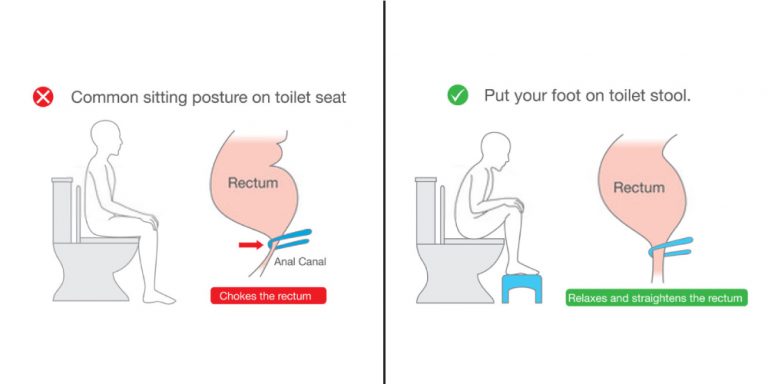
Experts often recommend a slightly squatting position during bowel movements because it helps align the rectum and allows stool to pass more easily.
Using a small footstool to elevate the feet while sitting on the toilet can help create a more natural position and reduce strain.
Avoid spending too much time on the toilet, as prolonged sitting can increase pressure on the anal veins.
Sitting Positions to Avoid
Certain sitting positions may worsen piles symptoms and should be avoided.
These include:
Sitting on hard surfaces for long periods
Slouching or bending forward while sitting
Sitting with legs tightly crossed
Remaining seated without breaks
Avoiding these positions can help reduce pressure on the anal area and prevent irritation.
Additional Tips for Sitting Comfort
In addition to proper sitting posture, several other measures can help reduce discomfort while sitting.
Helpful tips include:
Use soft cushions or donut pillows
Take short walking breaks regularly
Wear loose and comfortable clothing
Maintain proper hygiene in the anal area
These small adjustments can significantly improve comfort for piles patients.
Importance of Combining Sitting Habits with Lifestyle Changes
Although proper sitting position is helpful, it should be combined with other healthy lifestyle habits to manage piles effectively.
Important habits include:
Eating a high-fiber diet
Drinking enough water
Exercising regularly
Avoiding constipation
These lifestyle changes help improve digestion and reduce pressure on rectal veins.
Conclusion
For people suffering from piles, sitting comfortably can sometimes be difficult. However, adopting the correct sitting position can greatly reduce discomfort and help prevent the condition from worsening.
Sitting on soft cushions, maintaining upright posture, avoiding leg crossing, and taking frequent breaks are some of the most effective strategies for reducing pressure on the anal area. Using ergonomic chairs and practicing proper posture during bowel movements can also provide significant relief.
By combining good sitting habits with healthy lifestyle choices, piles patients can manage their symptoms more effectively and improve their overall quality of life. If symptoms persist despite these measures, consulting a healthcare professional is recommended for proper treatment and guidance.