
Best Treatment for Piles – Effective Options for Fast Relief and Long-Term Recovery
What Is the Best Treatment for Piles?
The best treatment for piles (hemorrhoids) depends on the type, size, and severity of the condition. In many mild cases, lifestyle changes and medicines can provide excellent relief. For more advanced piles, minimally invasive procedures or surgery may be the most effective option.
The goal of treatment is to reduce pain, stop bleeding, relieve swelling, prevent constipation, and lower the chance of recurrence. Dr. Faridul Islam recommends safe, evidence-based treatment plans tailored to each patient’s symptoms and overall health.
What Are Piles?
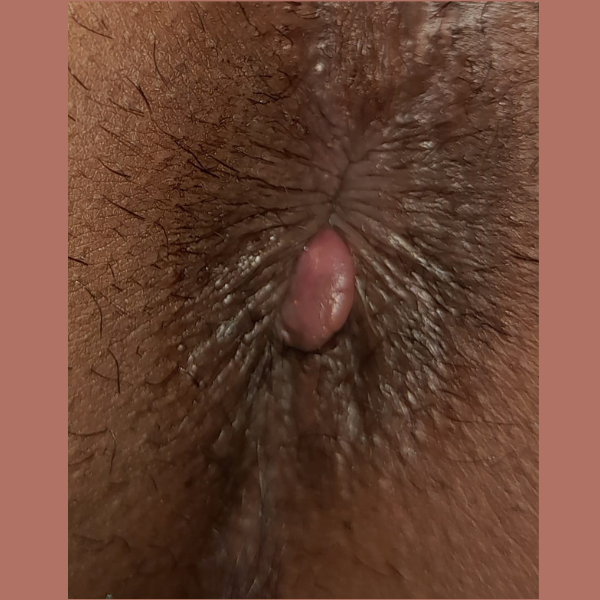
Piles, also known as hemorrhoids, are swollen veins in the lower rectum or around the anus. They may be internal or external and can cause pain, itching, bleeding, swelling, and discomfort during bowel movements.
Common symptoms include:
- Pain or pressure around the anus
- Itching or irritation
- Swelling
- Bleeding during bowel movements
- A lump near the anus
- Burning or discomfort while sitting
Best Treatment Options for Piles
1. Eat a High-Fiber Diet
A high-fiber diet is one of the most effective first-line treatments for piles.
Best Fiber-Rich Foods
- Oats
- Whole grains
- Brown rice
- Apples
- Bananas
- Papaya
- Pears
- Green leafy vegetables
- Lentils
- Beans
- Chia seeds
Fiber softens stools, reduces constipation, and prevents straining, which helps relieve pressure on hemorrhoids and supports healing.
2. Drink Plenty of Water
Staying hydrated helps keep stools soft and makes bowel movements easier.
Benefits
- Prevents constipation
- Reduces straining
- Supports smoother digestion
- Helps reduce irritation from piles
Drink enough water throughout the day unless your doctor advises otherwise.
3. Take Warm Sitz Baths
A warm sitz bath is a simple and effective way to relieve hemorrhoid discomfort.
Benefits
- Reduces pain
- Soothes itching and burning
- Helps decrease swelling
- Improves blood circulation
Sit in warm water for 10–15 minutes, two to three times a day, especially after bowel movements.
4. Avoid Straining During Bowel Movements
Straining can worsen piles and increase discomfort.
Healthy Toilet Habits
- Go to the toilet as soon as you feel the urge.
- Avoid sitting on the toilet for long periods.
- Do not force bowel movements.
- Use a footstool if needed to improve posture.
These habits reduce pressure on the rectal veins and help prevent flare-ups.
5. Stay Physically Active
Regular exercise supports healthy digestion and helps prevent constipation.
Recommended Activities
- Walking
- Light stretching
- Yoga
- Low-impact exercise
Aim for at least 30 minutes of moderate activity on most days of the week, if your health condition allows it.
6. Maintain Good Anal Hygiene
Keeping the area clean can reduce irritation and discomfort.
Tips
- Wash gently with warm water after bowel movements.
- Pat dry with a soft towel or tissue.
- Avoid harsh soaps, scented wipes, or excessive rubbing.
Gentle hygiene helps prevent further irritation and supports healing.
7. Use Medicines for Symptom Relief
For many patients, medicines can help control symptoms and improve comfort.
Common Options
- Stool softeners
- Fiber supplements such as psyllium husk
- Topical creams or ointments
- Pain-relief medicines recommended by a doctor
These treatments may reduce pain, itching, and swelling, but they do not always remove the hemorrhoid completely.
Foods to Avoid
Certain foods may worsen constipation and make hemorrhoid symptoms more uncomfortable.
Limit:
- Fried foods
- Fast food
- Processed snacks
- Low-fiber foods
- Excessive spicy foods if they worsen your symptoms
- Too much caffeine if it contributes to dehydration
A balanced diet supports digestive health and helps prevent piles from getting worse.
Can Piles Heal Permanently?
Mild hemorrhoids may improve permanently if the underlying causes, such as constipation and straining, are corrected. However, larger or recurrent piles may return if bowel habits and lifestyle factors do not improve.
The best long-term treatment is one that relieves symptoms, prevents recurrence, and addresses the root cause of the problem.
When Should You See a Doctor?
You should consult a healthcare professional if you experience:
- Persistent rectal bleeding
- Severe pain
- A large lump near the anus
- Prolapsed hemorrhoids
- Symptoms that do not improve with home care
- Recurrent piles
- Difficulty passing stool
- Any concern about the best treatment option
Early medical advice can help prevent complications and ensure the most effective treatment plan.
Medical Treatment Options for Piles
If lifestyle changes are not enough, your doctor may recommend medical or procedural treatment such as:
- Prescription medications
- Stool softeners
- Topical creams or ointments
- Rubber band ligation
- Sclerotherapy
- Infrared coagulation
- Laser hemorrhoid treatment
- Hemorrhoid surgery for advanced cases
Minimally Invasive Options
For many patients, minimally invasive procedures are among the best treatment choices because they are designed to reduce pain and recovery time.
Rubber Band Ligation
A small band is placed around the hemorrhoid to cut off blood supply. The hemorrhoid shrinks and falls off naturally.
Sclerotherapy
A special solution is injected into the hemorrhoid to shrink it.
Infrared Coagulation
Heat is used to reduce blood flow to the hemorrhoid, causing it to shrink.
Laser Hemorrhoid Treatment
Laser energy is used to treat hemorrhoids with less bleeding, less pain, and faster recovery in many cases.
Hemorrhoid Surgery
For large, severe, or recurrent hemorrhoids, surgery may be the most effective treatment option.
The most suitable treatment depends on the type and severity of the hemorrhoids.
Why Choose Dr. Faridul Islam?
Dr. Faridul Islam provides patient-centered hemorrhoid care with a focus on comfort, safety, and effective results.
Benefits of Choosing Dr. Faridul Islam
- Experienced piles specialist
- Personalized treatment plans
- Minimally invasive treatment options
- Advanced laser hemorrhoid treatment
- Focus on reducing pain and recovery time
- Comprehensive follow-up and prevention advice
Every patient receives an individualized treatment plan based on symptoms, severity, and overall health.
Frequently Asked Questions (FAQs)
What is the best treatment for piles?
The best treatment depends on the severity of the hemorrhoids. Mild cases often improve with diet, hydration, and medicines, while advanced cases may need minimally invasive procedures or surgery.
Can piles be treated without surgery?
Yes. Many cases can be managed with diet changes, medications, and non-surgical procedures.
Is laser treatment for piles effective?
Yes. Laser treatment is often effective for suitable patients and is generally associated with less pain and faster recovery than traditional surgery.
How long does it take to recover from piles treatment?
Recovery time depends on the treatment method. Non-surgical and minimally invasive procedures usually allow faster recovery than conventional surgery.
Can piles come back after treatment?
Yes. Hemorrhoids can recur if constipation, straining, poor diet, or inactivity continue. Healthy habits help reduce the risk.
Conclusion
The best treatment for piles depends on the severity of the condition and the patient’s symptoms. For mild hemorrhoids, a high-fiber diet, plenty of water, warm sitz baths, good toilet habits, and regular exercise can provide significant relief. For more advanced cases, minimally invasive treatments such as rubber band ligation, sclerotherapy, infrared coagulation, and laser hemorrhoid treatment can offer effective results with less pain and faster recovery.If you are looking for the best treatment for piles, Dr. Faridul Islam offers safe, personalized options designed to relieve hemorrhoids, minimize discomfort, and support long-term healing.