
Chronic Hemorrhoids Treatment —
Chronic hemorrhoids (long-term piles) are a persistent and often recurring condition that can significantly affect a person’s quality of life. Unlike acute hemorrhoids, which may resolve within a few days, chronic hemorrhoids last for weeks, months, or even years, often with repeated flare-ups.
In this article, we will explore what chronic hemorrhoids are, their causes, symptoms, and most importantly, the most effective treatment options available today.
What Are Chronic Hemorrhoids?
Hemorrhoids become chronic when symptoms such as pain, bleeding, swelling, or itching continue for a long time or recur frequently.
They may involve:
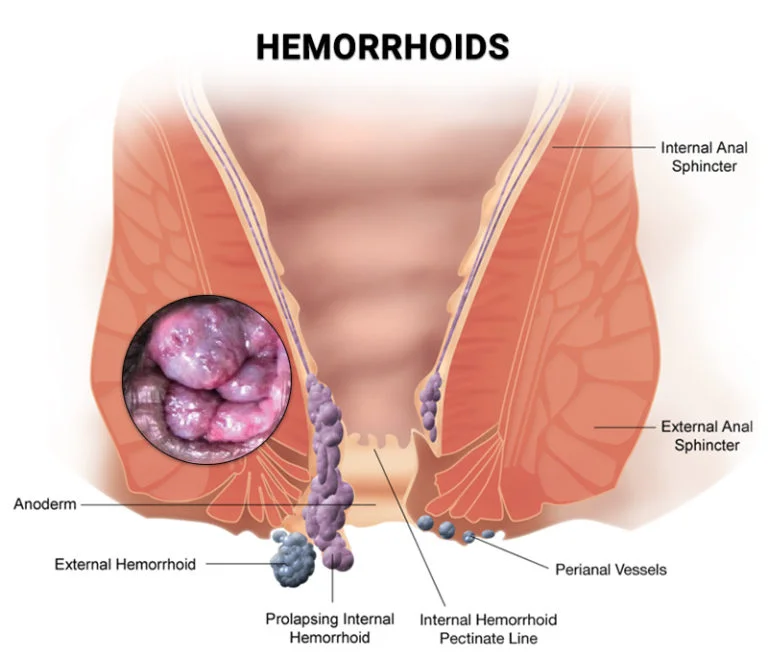
Internal hemorrhoids (inside the rectum)
External hemorrhoids (around the anus)
Chronic cases often develop when early symptoms are ignored or not treated properly.
Causes of Chronic Hemorrhoids
Several factors contribute to long-term hemorrhoid problems:
Persistent constipation
Frequent straining during bowel movements
Low-fiber diet
Inadequate water intake
Sedentary lifestyle
Obesity
Pregnancy
Chronic diarrhea
Long-term sitting or standing
If these causes are not addressed, hemorrhoids can become chronic and worsen over time.
Symptoms of Chronic Hemorrhoids
Symptoms may vary but are usually more persistent than acute cases:
Recurrent rectal bleeding
Ongoing pain or discomfort
Itching or irritation
Swelling or lumps near the anus
Prolapse (hemorrhoids coming out)
Mucus discharge
Difficulty during bowel movements
These symptoms may come and go but never fully disappear.
Treatment Options for Chronic Hemorrhoids
Treatment depends on the severity and duration of the condition. A combination of lifestyle changes, medications, and medical procedures is often required.
1. Lifestyle and Dietary Management (First Step)
This is the foundation of chronic hemorrhoid treatment.
High-Fiber Diet
Fiber helps soften stool and prevent straining.
Recommended foods:
Fruits: papaya, banana, apple
Vegetables: spinach, broccoli, carrots
Whole grains: oats, brown rice
Legumes: lentils, beans
Hydration
Drink at least 8–10 glasses of water daily to avoid constipation.
Regular Exercise
Walking and light exercise improve digestion and reduce pressure on rectal veins.
Healthy Bowel Habits
Do not delay bowel movements
Avoid straining
Limit time on the toilet
2. Home Remedies
These help relieve symptoms during flare-ups:
Sitz Bath
Soak in warm water for 10–15 minutes, 2–3 times daily.
Cold Compress
Apply ice packs to reduce swelling and pain.
Natural Soothing Agents
Aloe vera or coconut oil may provide temporary relief (use cautiously).
3. Medications
Doctors often prescribe medications to manage chronic symptoms:
Topical Treatments
Creams, ointments, and suppositories reduce itching, pain, and inflammation.
Oral Medications
Pain relievers and anti-inflammatory drugs help control discomfort.
Stool Softeners
Prevent constipation and ease bowel movements.
Long-term use of medications should always be under medical supervision.
4. Minimally Invasive Procedures
For chronic cases that do not respond to basic treatment, doctors may recommend:
Rubber Band Ligations
A rubber band is placed around the hemorrhoid to cut off blood supply.
Effective for internal hemorrhoids
Hemorrhoid falls off within a few days
Sclerotherapy
A chemical injection shrinks the hemorrhoid.
Suitable for small to medium piles
Infrared Coagulation (IRC)
Heat is used to stop blood flow and shrink hemorrhoids.
Best for early-stage chronic piles
Laser Treatment
Laser energy shrinks hemorrhoidal tissue with minimal pain and quick recovery.
5. Surgical Treatment (Advanced Cases)
If chronic hemorrhoids are severe or do not respond to other treatments, surgery may be required:
Hemorrhoidectomy
Complete removal of hemorrhoids.
Stapled Hemorrhoidopexy
A modern surgical technique with faster recovery.
These are usually recommended for Grade 3 or Grade 4 hemorrhoids.
Recovery Time
Mild chronic cases: improve within a few weeks
After procedures: 1–3 weeks
After surgery: 3–4 weeks
Recovery depends on treatment type and patient care.
Prevention of Recurrence
Chronic hemorrhoids often return if lifestyle is not improved. To prevent recurrence:
Maintain a high-fiber diet
Stay hydrated
Exercise regularly
Avoid prolonged sitting
Maintain healthy weight
Practice proper toilet habits
When to See a Doctor
Consult a doctor if you experience:
Frequent or heavy bleeding
Persistent pain
Prolapsed hemorrhoids
No improvement with treatment
Signs of anemia (weakness, fatigue)
Early medical care prevents complications.
Complications of Untreated Chronic Hemorrhoids
If left untreated, chronic hemorrhoids may lead to:
Severe pain
Anemia due to blood loss
Thrombosed hemorrhoids (clot formation)
Infection
Skin tags
Advantages of Proper Treatment
Long-term relief
Reduced recurrence
Improved quality of life
Prevention of complications
Conclusion
Chronic hemorrhoids can be a frustrating and uncomfortable condition, but they are highly manageable with the right approach. A combination of lifestyle changes, proper diet, medications, and minimally invasive treatments can provide lasting relief.
The key is consistency—maintaining healthy habits and following medical advice. Ignoring symptoms may lead to more severe complications requiring surgery.
If you are dealing with long-term hemorrhoid problems, do not hesitate to seek professional help. With modern treatments and proper care, you can effectively manage chronic hemorrhoids and lead a comfortable, pain-free life.