
Fast Piles Relief Treatment
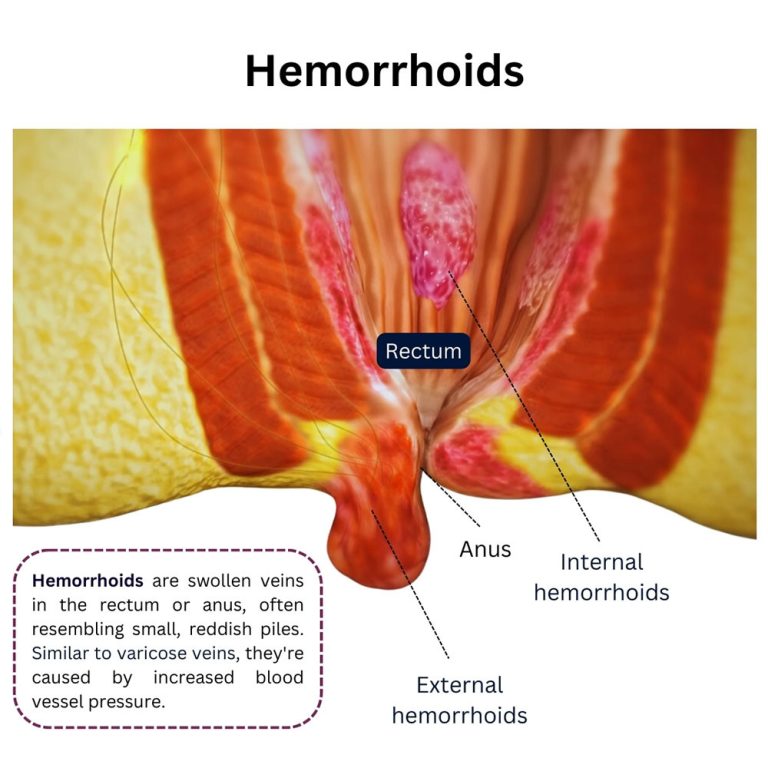
Piles, also called hemorrhoids, is a common health condition that affects many people worldwide. It occurs when the veins in the lower rectum or anus become swollen and inflamed. This swelling may result from constipation, prolonged sitting, obesity, pregnancy, heavy lifting, or poor dietary habits. Piles can cause symptoms such as pain, itching, swelling, bleeding during bowel movements, and discomfort while sitting.
Many people look for fast piles relief treatment because the symptoms can be painful and interfere with daily life. Fortunately, several effective treatments can quickly reduce discomfort and help patients recover faster. These treatments include home remedies, medications, lifestyle changes, and medical procedures.
This article explains the most effective ways to get fast relief from piles and prevent the condition from worsening.
Understanding Piles and Its Symptoms
Before discussing treatment options, it is important to understand the symptoms of piles. Recognizing the symptoms early can help patients start treatment quickly.
Common symptoms of piles include:
Pain during bowel movements
Itching or irritation around the anus
Swelling near the anal area
Bleeding during bowel movements
A lump around the anus
Discomfort while sitting
Piles may be internal or external. Internal piles develop inside the rectum, while external piles occur under the skin around the anus. Both types can cause discomfort and require proper treatment.
Warm Sitz Bath for Immediate Relief
One of the fastest ways to relieve piles pain is by taking a warm sitz bath. A sitz bath involves sitting in warm water for about 10–15 minutes.
This simple treatment helps:
Reduce swelling
Improve blood circulation
Relieve itching and pain
Relax the muscles around the anus
Doctors often recommend taking a sitz bath two to three times a day, especially after bowel movements. It is a safe and effective home remedy that can provide quick comfort.
Use Topical Creams and Ointments
Another fast relief method is applying topical medications directly to the affected area. Many over-the-counter creams and ointments are available for piles treatment.
These medications may contain:
Hydrocortisone to reduce inflammation
Local anesthetics to relieve pain
Witch hazel to soothe irritation
Topical treatments can quickly reduce itching, burning, and swelling. However, they should be used according to medical advice to avoid side effects.
Increase Fiber Intake
Constipation is one of the main causes of piles. Hard stools increase pressure on the rectal veins, making symptoms worse.
Eating high-fiber foods can quickly improve bowel movements and provide relief from piles symptoms.
Foods rich in fiber include:
Fruits such as apples, bananas, and papaya
Vegetables like spinach, carrots, and broccoli
Whole grains such as oats and brown rice
Beans and lentils
Nuts and seeds
Fiber helps soften stool and reduces the need for straining during bowel movements.
Drink Plenty of Water
Drinking enough water is essential for digestive health. Adequate hydration helps soften stools and prevents constipation.
Experts usually recommend drinking 8–10 glasses of water daily. Warm water in the morning may also help stimulate bowel movements and support digestive function.
Good hydration works together with fiber to promote healthy bowel movements and relieve piles symptoms quickly.
Avoid Straining During Bowel Movements
Straining during bowel movements can worsen piles and increase pain. To get fast relief, it is important to develop healthy bowel habits.
Helpful tips include:
Go to the bathroom as soon as you feel the urge
Avoid sitting on the toilet for long periods
Relax and avoid excessive pushing
Use a footstool to maintain a natural squatting position
These habits reduce pressure on the rectal veins and support faster healing.
Cold Compress for Pain and Swelling
Applying a cold compress to the affected area can quickly reduce swelling and pain.
Cold therapy works by narrowing blood vessels and reducing inflammation. Patients can apply an ice pack wrapped in a cloth to the anal area for 10–15 minutes several times a day.
This method can provide quick relief from discomfort and swelling.
Start Light Physical Activity
Regular physical activity improves digestion and blood circulation, which helps prevent constipation.
Light exercises that can help relieve piles symptoms include:
Walking
Yoga
Stretching
Pelvic floor exercises
Even 30 minutes of walking daily can improve bowel function and reduce pressure on rectal veins.
Exercise also supports overall health and helps maintain a healthy body weight.
Use Fiber Supplements
If dietary fiber is insufficient, doctors may recommend fiber supplements. These supplements help soften stool and improve bowel regularity.
Common fiber supplements include:
Psyllium husk
Methylcellulose
Wheat dextrin
Fiber supplements can be very effective when combined with adequate water intake.
Avoid Long Periods of Sitting
Prolonged sitting can worsen piles symptoms by increasing pressure on the rectal veins.
People who work at desks should take breaks every 30–60 minutes to stand, stretch, or walk. Using a soft cushion or donut pillow may also reduce discomfort while sitting.
Maintaining good posture and taking frequent breaks can help relieve pressure and improve circulation.
Medical Treatments for Fast Relief
If home remedies do not provide enough relief, doctors may recommend medical treatments. These treatments are usually quick and minimally invasive.
Common procedures include:
Rubber band ligation
Infrared coagulation
Sclerotherapy
Laser therapy
These treatments work by shrinking the hemorrhoids and reducing symptoms. Most procedures are performed in clinics and require little recovery time.
When to See a Doctor
While many cases of piles can be treated at home, medical consultation is important if symptoms persist or worsen.
You should consult a doctor if you experience:
Severe pain
Continuous bleeding
Large swelling around the anus
Symptoms lasting more than one week
A doctor can provide proper diagnosis and recommend the most effective treatment.
Preventing Future Piles Problems
After receiving fast relief from piles, it is important to adopt healthy habits to prevent recurrence.
Preventive measures include:
Maintaining a high-fiber diet
Drinking plenty of water
Exercising regularly
Avoiding prolonged sitting
Maintaining healthy bowel habits
These lifestyle changes help reduce pressure on rectal veins and promote long-term digestive health.
Conclusion
Piles can cause significant discomfort, but fast relief treatment is possible with the right approach. Simple remedies such as warm sitz baths, topical creams, increased fiber intake, proper hydration, and light exercise can quickly reduce symptoms.
Cold compresses and healthy bowel habits can further improve comfort and promote healing. If symptoms do not improve with home treatments, medical procedures such as rubber band ligation or laser therapy may be recommended.
Early treatment and healthy lifestyle habits are the key to managing piles effectively and preventing future problems. By taking the right steps, patients can achieve fast relief and return to their normal daily activities comfortably.