
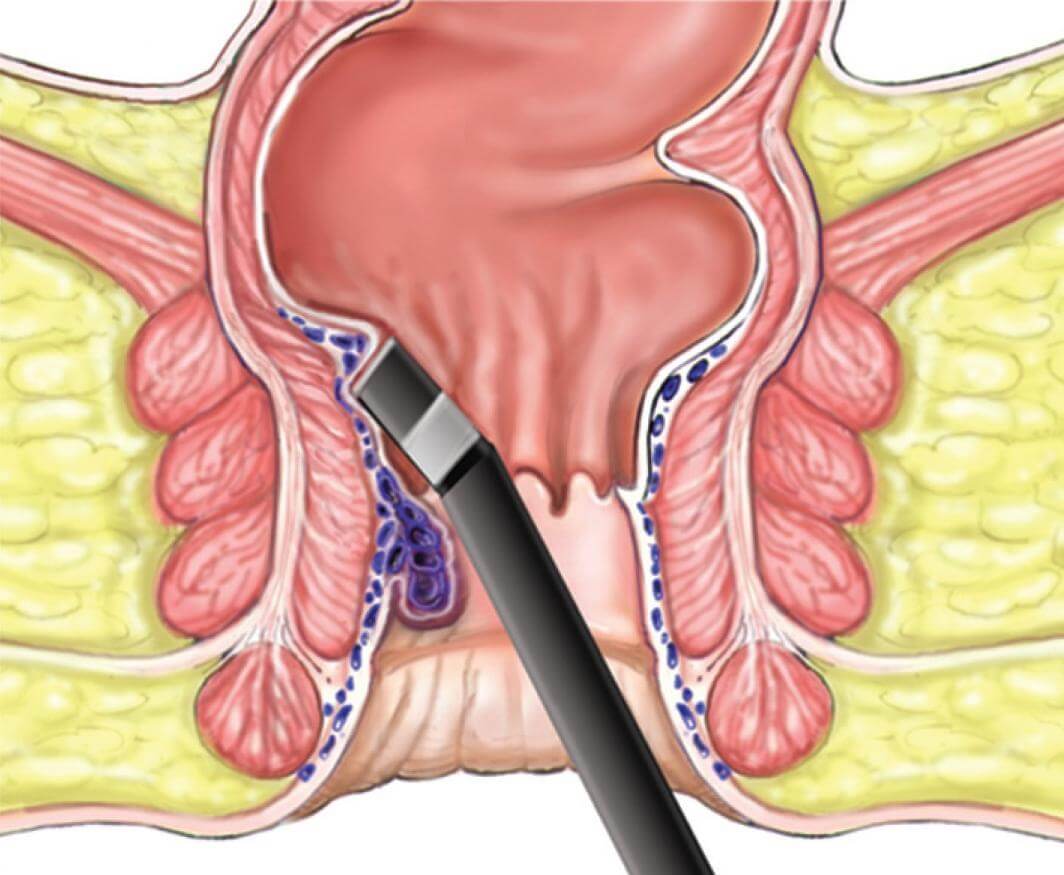
Infrared Coagulation (IRC) for Piles Treatment —
Piles, also known as hemorrhoids, are a common condition affecting people of all ages. They occur due to swollen veins in the rectal or anal area, leading to discomfort, bleeding, and irritation. While traditional surgery is an option for severe cases, modern medicine offers less invasive solutions. One such effective method is Infrared Coagulation (IRC).
This article provides a complete overview of infrared coagulation for piles, including how it works, benefits, procedure, recovery, and suitability.
What Is Infrared Coagulation?
Infrared Coagulation (IRC) is a non-surgical, minimally invasive treatment used to treat internal hemorrhoids, especially in the early stages (Grade 1 and Grade 2).
It uses infrared light (heat energy) to create scar tissue, which cuts off blood supply to the hemorrhoid. As a result, the hemorrhoid shrinks and eventually disappears.
How Does IRC Work?
The IRC procedure is simple and quick. It works in the following way:
1. A small device is inserted into the rectum.
2. Infrared light is applied to the base of the hemorrhoid.
3. The heat causes blood vessels to coagulate (clot).
4. Blood supply is cut off.
5. The hemorrhoid shrinks and falls off over time.
This process also creates scar tissue, which helps prevent recurrence.
Who Is Suitable for IRC?
Infrared coagulation is most suitable for:
Grade 1 hemorrhoids
Grade 2 hemorrhoids
Patients with mild bleeding
Individuals who want a non-surgical option
It is not usually recommended for large, prolapsed (Grade 3 or 4) hemorrhoids.
Advantages of Infrared Coagulation
IRC has become popular due to its many benefits:
1. Non-Surgical Procedure
No cutting, stitches, or hospitalization is required.
2. Quick Treatment
The procedure usually takes 10–15 minutes.
3. Minimal Pain
Most patients experience little to no pain during and after the procedure.
4. Fast Recovery
Patients can return to normal activities on the same day or the next day.
5. Low Risk
There is minimal risk of complications or infection.
6. Effective for Early Stages
Highly effective in controlling bleeding and reducing symptoms in early piles.
What Happens During the Procedure?
The patient lies comfortably on an examination table.
A device (anoscope) is inserted to view the hemorrhoid.
Infrared light is applied for a few seconds.
Multiple applications may be done in one session.
The entire process is usually painless and does not require anesthesia in most cases.
Recovery After IRC
Recovery is generally smooth and quick.
Immediately After Treatment:
Mild warmth or discomfort
Slight feeling of pressure
Within a Few Days:
Reduced bleeding
Decrease in swelling
Full Recovery:
Typically within 1–2 weeks
Post-Treatment Care
To ensure the best results, follow these care tips:
Diet
Eat fiber-rich foods (fruits, vegetables, whole grains)
Avoid spicy and junk food
Hydration
Drink at least 8–10 glasses of water daily
Bowel Habits
Avoid straining
Do not sit on the toilet for long
Hygiene
Keep the anal area clean and drying
Activity
Resume normal activities but avoid heavy lifting for a few days
Risks and Side Effects
IRC is generally very safe, but some minor side effects may occur:
Mild pain or discomfort
Light bleeding
Temporary irritation
Serious complications are rare.
Effectiveness of IRC
Infrared coagulation is highly effective for early-stage hemorrhoids. Most patients experience significant relief after 1–3 sessions.
However, results depend on:
Severity of the condition
Patient’s lifestyle
Following post-treatment advice
IRC vs Other Treatments
Feature IRC Rubber Band Ligation Surgery
Pain Very low Mild High
Recovery 1–2 days 2–3 days 2–3 weeks
Procedure time 10–15 min 10–15 min Longer
Hospital stay Not needed Not needed May be needed
Best for Grade 1–2 Grade 2–3 Severe cases
Limitations of IRC
Not suitable for large or prolapsed hemorrhoids
May require multiple sessions
Less effective for advanced stages
When to See a Doctor
Consult a doctor if:
Bleeding persists
Pain increases
No improvement after treatment
Symptoms worsen
Early consultation ensures better results.
Prevention of Piles After IRC
To prevent recurrence:
Maintain a high-fiber diet
Stay hydrated
Exercise regularly
Avoid constipation
Practice healthy toilet habits
Conclusion
Infrared Coagulation (IRC) is a safe, effective, and non-surgical treatment for early-stage piles. It offers a quick, painless solution with minimal downtime, making it an excellent choice for many patients.
While it may not be suitable for severe cases, it provides significant relief for mild to moderate hemorrhoids. Combined with a healthy lifestyle, IRC can help you manage piles effectively and improve your quality of life.
If you are experiencing symptoms of piles, consult a healthcare professional to determine whether infrared coagulation is the right option for you. Early treatment can prevent complications and ensure a faster recovery.