
Non-Surgical Hemorrhoid Treatment
Hemorrhoids, commonly known as piles, are swollen veins in the lower rectum or anus. They are a very common condition affecting millions of people worldwide. While many assume that surgery is the only solution, the truth is that most hemorrhoid cases can be treated effectively without surgery—especially in the early and moderate stages.
This article explains in detail the various non-surgical treatments for hemorrhoids, how they work, and how you can manage and prevent this condition naturally and medically.
What Are Hemorrhoids?
Hemorrhoids develop when there is increased pressure in the veins of the rectal area. This pressure causes the veins to swell, leading to discomfort and other symptoms.
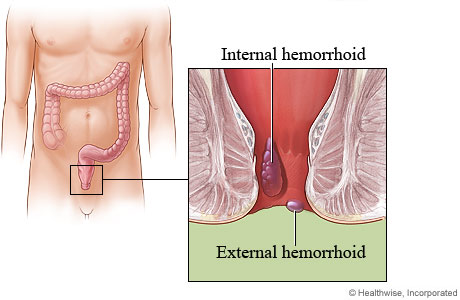
There are two main types:
Internal hemorrhoids: Located inside the rectum, usually painless but may cause bleeding.
External hemorrhoids: Found under the skin around the anus, often painful and itchy.
Common Symptoms of Hemorrhoids
Understanding symptoms helps in early treatment. Common signs include:
Bright red blood during bowel movements
Pain or discomfort in the anal area
Itching or irritation
Swelling or a lump near the anus
Difficulty during bowel movements
Why Choose Non-Surgical Treatment?
Non-surgical treatments are preferred because:
They are less painful
No hospitalization is required
Faster recovery time
Lower cost
Suitable for mild to moderate hemorrhoids
1. Lifestyle and Dietary Changes
The foundation of non-surgical treatment is improving your daily habits.
High-Fiber Diet
Fiber softens stool and reduces strain during bowel movements.
Recommended foods:
Fruits (banana, apple, papaya)
Vegetables (spinach, carrots, cabbage)
Whole grains and oats
Legumes (lentils, beans)
Hydration
Drink at least 8–10 glasses of water daily. Proper hydration prevents constipation.
Regular Exercise
Light activities like walking improve digestion and reduce pressure on veins.
Avoid Straining
Do not force bowel movements. Straining worsens hemorrhoids.
2. Home Remedies
Sitz Bath
Sitting in warm water for 10–15 minutes several times a day reduces pain and swelling.
Cold Compress
Applying ice packs can help shrink swollen veins and relieve pain.
Proper Hygiene
Keep the anal area clean and dry. Avoid harsh soaps.
3. Medications
Doctors often recommend medications to control symptoms:
Topical Creams and Ointments
These help reduce pain, itching, and inflammation.
Oral Pain Relievers
Used for managing discomfort.
Stool Softeners
Prevent constipation and make bowel movements easier.
Anti-inflammatory Drugs
Reduce swelling and irritation.
Always consult a doctor before using any medication.
4. Minimally Invasive Non-Surgical Procedures
If lifestyle changes and medications are not enough, doctors may suggest non-surgical procedures.
Rubber Band Ligation
A small rubber band is placed around the base of the hemorrhoid, cutting off blood supply. The hemorrhoid shrinks and falls off within a few days.
Sclerotherapy
A chemical solution is injected into the hemorrhoid, causing it to shrink.
Infrared Coagulation (IRC)
Heat is used to cut off blood flow, leading to shrinkage of the hemorrhoid.
Laser Therapy
A modern method where laser energy shrinks hemorrhoidal tissue with minimal pain and quick recovery.
How Effective Are Non-Surgical Treatments?
Non-surgical treatments are highly effective for:
Grade 1 and Grade 2 hemorrhoids
Early-stage Grade 3 hemorrhoids
Most patients experience significant relief within a few days to a few weeks. However, consistency is key—diet, lifestyle, and medical advice must be followed properly.
When Non-Surgical Treatment May Not Be Enough
In some cases, surgery becomes necessary, such as:
Severe or Grade 4 hemorrhoids
Continuous heavy bleeding
Prolapsed hemorrhoids that cannot be pushed back
No improvement after prolonged treatment
Tips for Faster Recovery
Eat fiber-rich food daily
Stay hydrated
Avoid sitting for long periods
Use the toilet only when needed
Maintain a healthy weight
Practice good hygiene
Prevention of Hemorrhoids
Preventing recurrence is just as important as treatment:
Maintain a balanced diet
Avoid constipation
Exercise regularly
Do not delay bowel movements
Limit processed and spicy foods
Conclusion
Non-surgical hemorrhoid treatment is safe, effective, and suitable for most patients, especially in the early stages. By making simple lifestyle changes, using home remedies, and following medical advice, you can manage hemorrhoids successfully without undergoing surgery.
However, it is important not to ignore symptoms. Early diagnosis and treatment can prevent complications and ensure a quicker recovery. If symptoms persist or worsen, consult a healthcare professional for proper guidance.
Hemorrhoids are common and treatable—there is no need to suffer in silence. With the right approach, you can lead a comfortable and healthy life without surgery.