
Piles Surgery Alternatives —
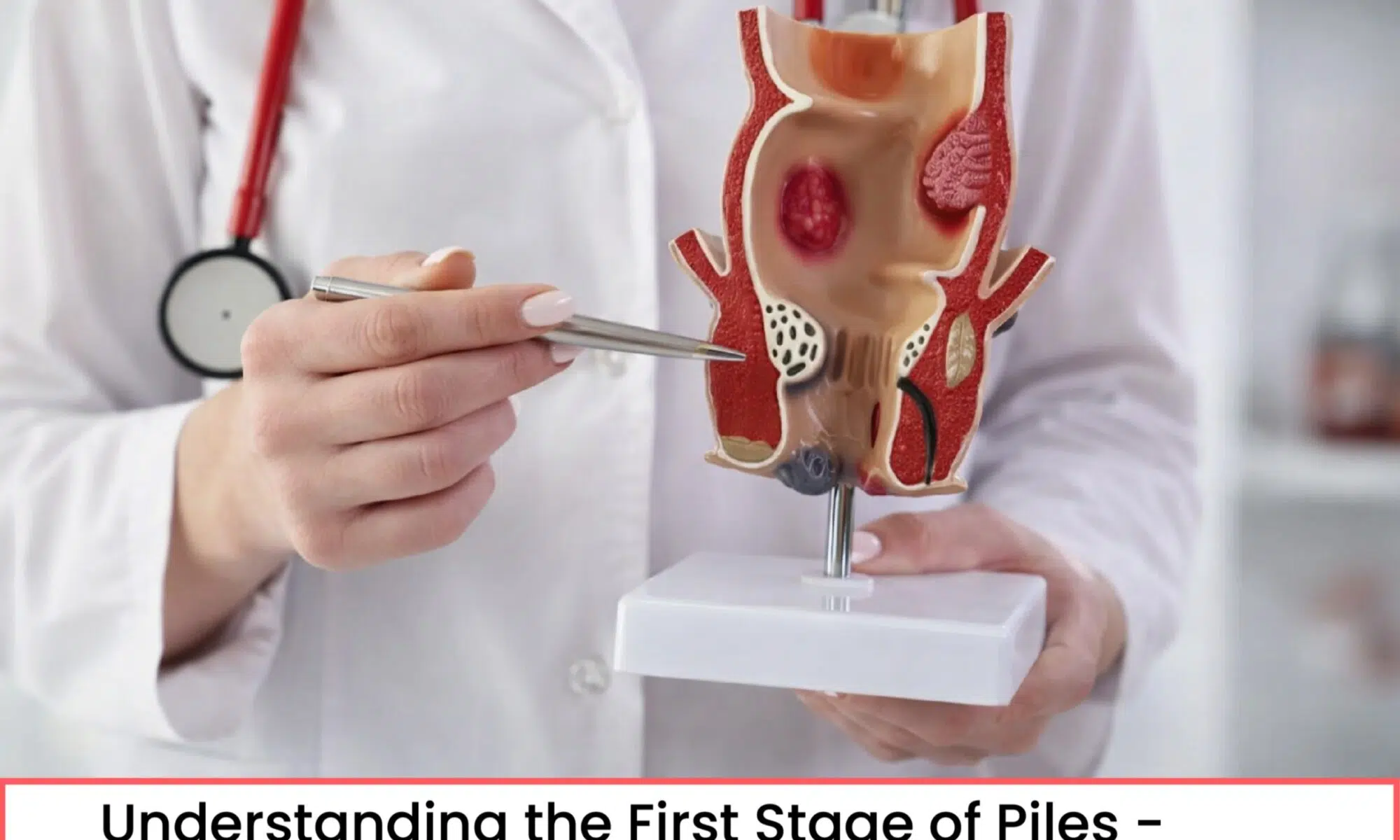
Piles, also known as hemorrhoids, are swollen veins in the lower rectum or anus that cause discomfort, pain, itching, and sometimes bleeding. While surgery is often considered a definitive solution, many people prefer to explore alternatives to piles surgery due to fear, cost, or recovery time. Fortunately, modern medicine offers several effective non-surgical and minimally invasive options.
This article provides a detailed overview of piles surgery alternatives, their effectiveness, and how you can manage the condition without going under the knife.
Understanding Piles
Piles are generally classified into four grades:
Grade 1: Small swelling, no prolapse
Grade 2: Prolapse during bowel movement but return automatically
Grade 3: Prolapse and require manual pushing back
Grade 4: Permanently prolapsed and severe
Surgery is usually recommended for Grade 4 or severe Grade 3 cases. However, for early to moderate stages, several alternatives are available.
Why Consider Alternatives to Surgery?
Many patients choose non-surgical treatments because:
Less pain and discomfort
Lower risk of complications
No hospital stay required
Faster recovery
Cost-effective options
1. Lifestyle and Dietary Modifications
The first and most important step in treating piles without surgery is improving daily habits.
High-Fiber Diet
Fiber helps soften stool and reduces strain during bowel movements.
Include:
Fruits (banana, apple, papaya)
Vegetables (spinach, broccoli, carrots)
Whole grains and oats
Legumes (beans, lentils)
Adequate Hydration
Drink at least 8–10 glasses of water daily to prevent constipation.
Regular Exercise
Physical activity improves digestion and reduces pressure on rectal veins.
Avoid Straining
Straining during bowel movements worsens hemorrhoids.
2. Home Remedies
Sitz Bath
Soaking the anal area in warm water for 10–15 minutes helps reduce pain and swelling.
Cold Compress
Applying ice packs can relieve inflammation and discomfort.
Natural Remedies
Some people find relief using aloe vera, coconut oil, or witch hazel (under guidance).
3. Medications
Medications play an important role in managing symptoms:
Topical Treatments
Creams, ointments, and suppositories reduce itching, pain, and swelling.
Oral Medications
Pain relievers and anti-inflammatory drugs help control discomfort.
Stool Softeners
These make bowel movements easier and reduce strain.
Always consult a doctor before using medications.
4. Minimally Invasive Procedures (Best Alternatives to Surgery)
When lifestyle changes and medications are not enough, doctors may suggest minimally invasive treatments.
Rubber Band Ligation
This is one of the most common non-surgical procedures.
How it works: A small rubber band is placed around the base of the hemorrhoid, cutting off blood supply. The hemorrhoid shrinks and falls off within a few days.
Advantages:
Quick procedure
Minimal pain
No hospital stay
Sclerotherapy
A chemical solution is injected into the hemorrhoid, causing it to shrink.
Best for:
Small to medium internal hemorrhoids
Infrared Coagulation (IRC)
This technique uses infrared light to cut off blood supply to the hemorrhoid.
Benefits:
Quick and painless
Suitable for early-stage piles
Laser Treatment
Laser therapy uses focused light energy to shrink hemorrhoids.
Advantages:
Minimal pain
Fast recovery
Precise treatment
Doppler-Guided Hemorrhoidal Artery Ligation (DG-HAL)
This method uses ultrasound to locate arteries supplying the hemorrhoid and ties them off.
Benefits:
Less invasive
Reduced recurrence rate
Minimal discomfort
How Effective Are These Alternatives?
Non-surgical treatments are highly effective for:
Grade 1 and Grade 2 piles
Early Grade 3 cases
Most patients experience relief within a few days to weeks, depending on the treatment type and consistency in following lifestyle changes.
When Surgery May Still Be Needed
Although alternatives are effective, surgery may be necessary in cases such as:
Severe Grade 4 hemorrhoids
Persistent heavy bleeding
Large prolapsed hemorrhoids
Failure of non-surgical treatments
Tips for Long-Term Relief
To maintain results and prevent recurrence:
Eat a balanced, high-fiber diet
Stay hydrated
Exercise regularly
Avoid prolonged sitting
Respond promptly to the urge to pass stool
Maintain good hygiene
Advantages of Non-Surgical Alternatives
Minimal downtime
Lower risk of infection
Cost-effective
Can often be done as outpatient procedures
Less psychological stress
Limitations of Alternatives
May require repeated sessions
Not suitable for very severe cases
Results depend on lifestyle maintenance
Conclusion
Piles surgery is not the only option for treating hemorrhoids. With advancements in medical science, a wide range of effective alternatives are available—from lifestyle changes and medications to minimally invasive procedures like rubber band ligation and laser therapy.
These alternatives are safe, convenient, and highly effective for most patients, especially when the condition is diagnosed early. However, it is essential to consult a healthcare professional to determine the best treatment plan for your specific condition.
By combining proper treatment with a healthy lifestyle, you can successfully manage piles and avoid surgery in many cases.