
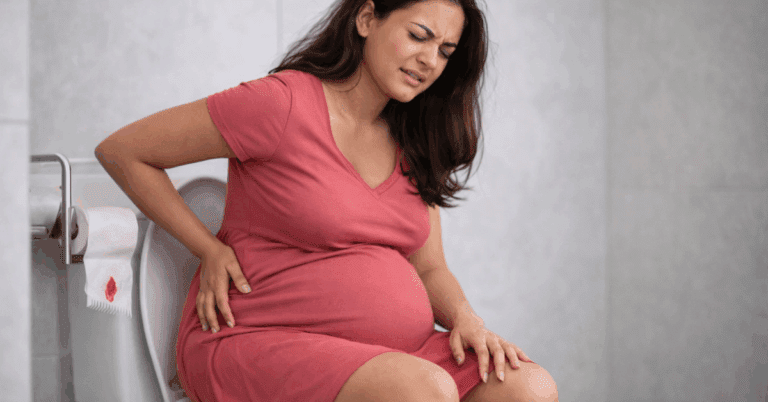
Piles Treatment During Pregnancy – Safe and Effective Relief for Hemorrhoids in Expectant Mothers
Can Piles Be Treated Safely During Pregnancy?
Yes, piles (hemorrhoids) can often be managed safely during pregnancy with lifestyle changes, dietary adjustments, and pregnancy-safe remedies. Hormonal changes, constipation, increased pressure from the growing uterus, and straining during bowel movements can all make hemorrhoids worse during pregnancy.Most mild cases improve with conservative care, but persistent pain, bleeding, or severe swelling should always be evaluated by a doctor. Dr. Faridul Islam recommends safe, evidence-based treatment options that protect both the mother and the baby.
What Are Piles?
Piles, also known as hemorrhoids, are swollen veins in the lower rectum or around the anus. During pregnancy, they are especially common because of increased pressure in the pelvic area and constipation.
They may cause:
- Pain or discomfort
- Itching
- Swelling
- Bleeding during bowel movements
- A lump near the anus
- Burning or irritation
Safe Ways to Treat Piles During Pregnancy
1. Eat a High-Fiber Diet
A fiber-rich diet is one of the safest and most effective ways to reduce constipation and ease hemorrhoid symptoms during pregnancy.
Best Fiber-Rich Foods
- Oats
- Whole grains
- Brown rice
- Apples
- Bananas
- Papaya
- Pears
- Green leafy vegetables
- Lentils
- Beans
- Chia seeds
Fiber helps soften stools, reduce straining, and support regular bowel movements.
2. Drink Plenty of Water
Staying well hydrated is very important during pregnancy.
Benefits
- Prevents constipation
- Keeps stools soft
- Reduces pressure during bowel movements
- Helps reduce irritation from piles
Drink enough water throughout the day unless your obstetrician advises otherwise.
3. Take Warm Site Baths
A warm sitz bath is a simple and pregnancy-safe way to relieve hemorrhoid discomfort.
Benefits
- Reduces pain
- Soothes itching and burning
- Helps decrease swelling
- Improves blood circulation
Sit in warm water for 10–15 minutes, two to three times a day, especially after bowel movements.
4. Avoid Straining During Bowel Movements
Straining can make piles worse and increase discomfort.
Healthy Toilet Habits
- Go to the toilet as soon as you feel the urge.
- Avoid sitting on the toilet for long periods.
- Do not force bowel movements.
- Use a footstool if needed to improve posture.
These habits help reduce pressure on the rectal veins.
5. Stay Physically Active
Gentle exercise can improve digestion and reduce constipation during pregnancy.
Recommended Activities
- Walking
- Prenatal yoga
- Light stretching
- Pregnancy-safe movement exercises
Always choose activities approved by your obstetrician, especially if you have a high-risk pregnancy.
6. Maintain Good Anal Hygiene
Keeping the area clean can reduce irritation and discomfort.
Tips
- Wash gently with warm water after bowel movements.
- Pat dry with a soft towel or tissue.
- Avoid harsh soaps, scented wipes, or excessive rubbing.
Gentle care helps prevent further irritation.
7. Use Pregnancy-Safe Soothing Remedies
Some simple remedies may provide temporary relief, but they should be used carefully during pregnancy.
Examples include:
- Pure aloe vera gel, if approved by your doctor
- Cold compresses for short periods
- Fiber supplements such as psyllium husk, if recommended by a healthcare provider
Always consult your doctor before using any cream, ointment, or supplement during pregnancy.
Foods to Avoid
Certain foods may worsen constipation and make hemorrhoid symptoms more uncomfortable.
Limit:
- Fried foods
- Fast food
- Processed snacks
- Low-fiber foods
- Excessive spicy foods if they worsen your symptoms
- Too much caffeine, if it contributes to dehydration
A balanced diet supports both digestive health and pregnancy wellness.
Can Piles Heal Permanently During Pregnancy?
In many cases, piles improve after delivery when pressure in the pelvic area decreases. During pregnancy, the goal is usually to control symptoms, prevent worsening, and reduce discomfort safely.
Mild hemorrhoids may settle with home care, but larger or more painful piles may need medical treatment. If symptoms continue or worsen, professional evaluation is important.
When Should You See a Doctor?
You should consult a healthcare professional if you experience:
- Persistent rectal bleeding
- Severe pain
- A large lump near the anus
- Prolapsed hemorrhoids
- Symptoms that do not improve with home care
- Constipation that becomes difficult to manage
- Any concern about medication safety during pregnancy
Early medical advice can help prevent complications and ensure safe treatment.
Medical Treatment Options During Pregnancy
If natural methods are not enough, your doctor may recommend pregnancy-safe treatment options such as:
- Stool softeners prescribed by a doctor
- Safe topical creams or ointments
- Pain-relief measures approved during pregnancy
- Rubber band ligation in selected cases
- Rarely, surgical treatment if symptoms are severe and other options fail
Treatment choice depends on the severity of the hemorrhoids, the stage of pregnancy, and the mother’s overall health.
Never use over-the-counter medicines, suppositories, or herbal products during pregnancy without medical advice.
Why Choose Dr. Faridul Islam?
Dr. Faridul Islam provides careful, patient-centered hemorrhoid care with a focus on safety, comfort, and effective results.
Benefits of Choosing Dr. Faridul Islam
- Experienced piles specialist
- Pregnancy-conscious treatment planning
- Personalized care based on symptoms and trimester
- Safe non-surgical treatment options
- Advanced hemorrhoid management when needed
- Comprehensive follow-up and prevention advice
Every patient receives an individualized treatment plan designed to protect maternal health and support recovery.
Frequently Asked Questions (FAQs)
Are piles common during pregnancy?
Yes. Hemorrhoids are very common during pregnancy because of hormonal changes, constipation, and increased pressure on the pelvic veins.
Can piles go away after delivery?
Yes. In many women, hemorrhoids improve or disappear after childbirth as pressure in the pelvic area decreases.
Is it safe to use creams for piles during pregnancy?
Some creams may be safe, but not all are suitable during pregnancy. Always ask your doctor before using any ointment or suppository.
Can constipation make piles worse during pregnancy?
Yes. Constipation and straining are major causes of worsening hemorrhoids, so preventing constipation is very important.
Is walking helpful for piles in pregnancy?
Yes. Gentle walking can improve digestion, reduce constipation, and help relieve pressure that contributes to hemorrhoids.
Conclusion
Piles during pregnancy are common, but they can usually be managed safely with the right care. A high-fiber diet, plenty of water, warm site baths, gentle exercise, and good toilet habits can significantly reduce symptoms and prevent worsening.Because pregnancy requires extra caution, it is important to avoid self-medication and seek medical advice if symptoms are severe or persistent. Dr. Faridul Islam offers safe, effective, and personalized treatment options to help pregnant women find relief while protecting both mother and baby.