
Rubber Band Ligation for Piles —
Piles, also known as hemorrhoids, are a common condition that causes discomfort, bleeding, and irritation in the anal area. While many mild cases can be treated with diet and medication, some require minimally invasive procedures. One of the most effective and widely used non-surgical treatments is Rubber Band Ligation (RBL).
This article provides a detailed explanation of rubber band ligation, how it works, its benefits, risks, and recovery process.
What Is Rubber Band Ligation?
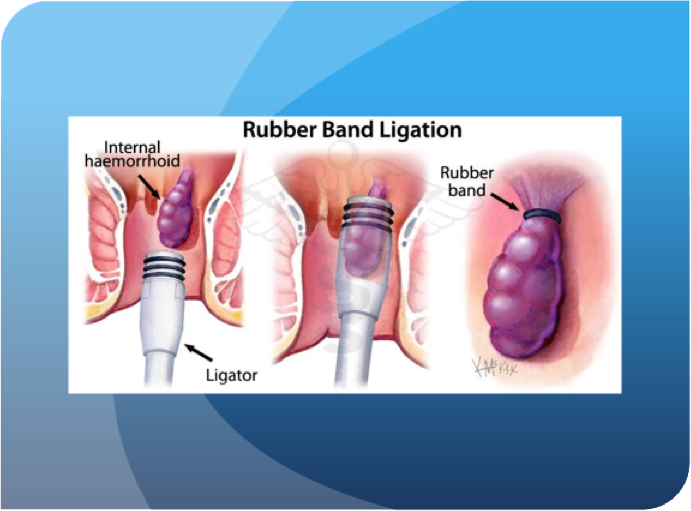
Rubber band ligation is a simple, non-surgical procedure used to treat internal hemorrhoids, especially Grade 2 and Grade 3 piles. In this method, a small rubber band is placed around the base of the hemorrhoid to cut off its blood supply.
Without blood flow, the hemorrhoid shrinks, dries up, and eventually falls off within a few days.
How Does the Procedure Work?
The procedure is quick and usually performed in a doctor’s clinic without the need for hospitalization.
Steps Involved:
1. The patient lies in a comfortable position.
2. A special instrument (anoscope) is inserted into the rectum to locate the hemorrhoid.
3. A rubber band is placed tightly around the base of the hemorrhoid.
4. Blood supply to the hemorrhoid is cut off.
5. The hemorrhoid shrinks and falls off within 5–7 days.
The area heals naturally after that.
Who Is Suitable for Rubber Band Ligation?
Rubber band ligation is ideal for:
Grade 1 piles with bleeding
Grade 2 piles
Grade 3 piles (in some cases)
Patients who do not respond to medication
It is mainly used for internal hemorrhoids and not recommended for external piles.
Advantages of Rubber Band Ligation
This method is very popular because of its many benefits:
1. Non-Surgical Treatment
No cutting or stitches are required.
2. Quick Procedure
Takes only 10–15 minutes.
3. Minimal Pain
Most patients feel only mild discomfort or pressure.
4. No Hospital Stay
It is done as an outpatient procedure.
5. Fast Recovery
Patients can return to normal activities within a day or two.
6. High Success Rate
Very effective in reducing symptoms and preventing recurrence.
What to Expect After the Procedure
After rubber band ligation, some mild symptoms are normal:
First Few Days:
Mild pain or discomfort
Feeling of fullness in the rectum
Slight bleeding when the hemorrhoid falls off
Within a Week:
Hemorrhoid shrinks and detaches
Symptoms improve significantly
Recovery Time
Most people recover within 7–10 days
Normal activities can be resumed within 1–2 days
Complete healing may take 2 weeks
Post-Procedure Care
To ensure proper healing and avoid complications, follow these tips:
Diet
Eat high-fiber foods
Avoid spicy and oily foods
Hydration
Drink plenty of water (8–10 glasses daily)
Bowel Habits
Avoid straining during bowel movements
Do not sit on the toilet for long periods
Hygiene
Keep the anal area clean and dry
Medications
Take prescribed pain relievers or stool softeners
Risks and Complications
Rubber band ligation is generally safe, but minor complications may occur:
Mild pain or discomfort
Light bleeding
Infection (rare)
Urinary difficulty (rare)
Serious complications are very uncommon when performed by an experienced doctor.
When to Contact a Doctor
Seek medical help if you experience:
Severe pain
Heavy bleeding
Fever
Difficulty urinating
No improvement after several days
Effectiveness of Rubber Band Ligation
Rubber band ligation is one of the most effective non-surgical treatments for piles. Studies show that most patients experience significant relief after one or two sessions.
However, some patients may require multiple treatments depending on the number and size of hemorrhoids.
Can Piles Return After RBL?
Yes, piles can recur if lifestyle habits are not improved. To prevent recurrence:
Maintain a high-fiber diet
Stay hydrated
Exercise regularly
Avoid constipation
Follow healthy toilet habits
Rubber Band Ligation vs Surgery
Feature Rubber Band Ligation Surgery
Pain Minimal High
Recovery time 1–2 days 2–3 weeks
Hospital stay Not required May be required
Cost Lower Higher
Risk Low Higher
Limitations of Rubber Band Ligation
Not suitable for external hemorrhoids
May require repeat sessions
Not effective for severe Grade 4 piles
Conclusion
Rubber band ligation is a safe, effective, and minimally invasive treatment for internal hemorrhoids. It offers a quick solution with minimal discomfort and fast recovery, making it an excellent alternative to surgery for many patients.
If you are suffering from persistent piles symptoms and medications are not providing relief, rubber band ligation can be a highly effective option. However, always consult a qualified doctor to determine the best treatment plan for your condition.
With proper care, healthy lifestyle changes, and timely treatment, piles can be managed successfully without the need for major surgery.