
Complications of Untreated Piles
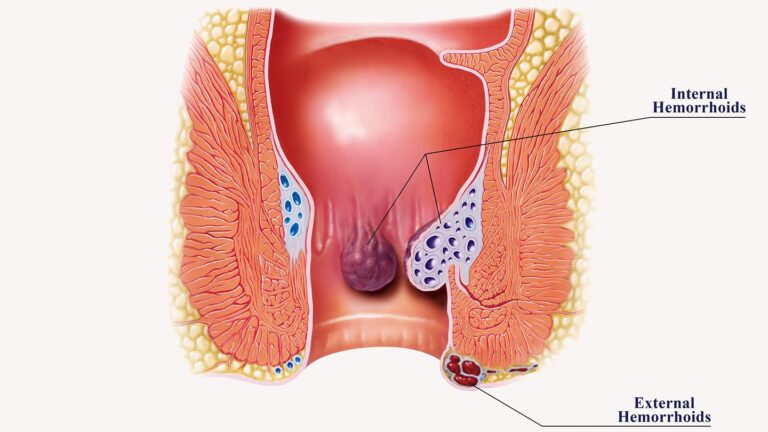
Piles, medically known as Hemorrhoids, is a common condition that occurs when the veins in the lower rectum or anus become swollen and inflamed. Many people experience mild symptoms such as itching, discomfort, or occasional bleeding during bowel movements. In some cases, these symptoms may improve with lifestyle changes, proper diet, and home remedies.
However, when piles are left untreated for a long time, the condition may worsen and lead to several complications. Ignoring piles symptoms can cause increased pain, continuous bleeding, and other health problems that may require medical treatment or surgery.
Understanding the possible complications of untreated piles is important because early treatment can prevent these problems and improve overall health.
Persistent Rectal Bleeding
One of the most common complications of untreated piles is continuous or frequent rectal bleeding. Swollen hemorrhoidal veins are fragile and can easily rupture during bowel movements.
When piles are not treated, repeated irritation can cause regular bleeding. Over time, this may become more severe and uncomfortable for the patient.
Frequent bleeding can also cause anxiety and concern, especially when it occurs repeatedly during bowel movements.
Anemia
Chronic bleeding from piles may lead to a condition called Anemia. Anemia occurs when the body loses too much blood and does not have enough healthy red blood cells to carry oxygen throughout the body.
Symptoms of anemia may include:
Weakness or fatigue
Dizziness
Pale skin
Shortness of breath
Although piles-related anemia is not very common, it can occur when bleeding continues for a long period without treatment.
Thrombosed Hemorrhoids
Another serious complication of untreated piles is thrombosed hemorrhoids. This condition occurs when a blood clot forms inside a hemorrhoid.
A thrombosed hemorrhoid can cause severe pain, swelling, and inflammation in the anal area. The affected area may become hard and tender to the touch.
Symptoms of thrombosed hemorrhoids include:
Intense pain around the anus
Swelling or lumps near the anal opening
Dark or bluish discoloration of the skin
This condition may require medical treatment to remove the clot and relieve pain.
Prolapsed Hemorrhoids
If piles are not treated, internal hemorrhoids may gradually increase in size and eventually protrude outside the anus. This condition is known as prolapsed hemorrhoids.
At first, prolapsed hemorrhoids may go back inside the rectum after bowel movements. However, in advanced cases, they may remain outside permanently.
Prolapsed hemorrhoids can cause:
Pain and discomfort
Difficulty maintaining hygiene
Irritation and itching
Increased risk of infection
Severe prolapse often requires medical procedures or surgery to correct the condition.
Infection
Untreated piles can sometimes lead to infection. When hemorrhoids become swollen and irritated, the surrounding skin may become damaged or inflamed.
This damaged skin can allow bacteria to enter the area, increasing the risk of infection.
Symptoms of infection may include:
Increased pain
Swelling
Redness
Fever
Pus or unusual discharge
If infection occurs, prompt medical treatment is necessary to prevent further complications.
Strangulated Hemorrhoids
A strangulated hemorrhoid occurs when the blood supply to a prolapsed hemorrhoid is cut off. This condition can cause severe pain and swelling.
Without proper blood flow, the tissue may become damaged and inflamed. Strangulated hemorrhoids can be very painful and usually require medical intervention.
Early treatment is important to prevent further tissue damage.
Chronic Pain and Discomfort
When piles remain untreated, the symptoms may gradually become worse. Chronic pain and discomfort in the anal area can affect daily activities such as sitting, walking, or passing stool.
Persistent irritation and itching may also interfere with sleep and overall quality of life.
Living with constant discomfort can also affect emotional well-being and reduce productivity.
Difficulty with Hygiene
Large or prolapsed hemorrhoids can make it difficult to maintain proper hygiene after bowel movements. This may lead to irritation, itching, and unpleasant odor.
Poor hygiene around the anal area can increase the risk of infection and worsen existing symptoms.
Maintaining cleanliness becomes more challenging when piles are left untreated for a long time.
Increased Risk of Surgery
When piles are treated early, they can often be managed with simple lifestyle changes, medications, or minimally invasive procedures.
However, if the condition becomes severe due to lack of treatment, surgery may be required.
Common surgical treatments include removal of hemorrhoids or other procedures to reduce swelling and restore normal blood flow.
Early medical care can reduce the likelihood of needing surgery.
Psychological and Emotional Effects
Untreated piles can also affect mental health. Chronic pain, discomfort, and embarrassment about symptoms may cause stress or anxiety.
Some people may avoid social activities or delay seeking medical care due to embarrassment about discussing piles symptoms.
Addressing the condition early can help prevent these emotional challenges.
Importance of Early Treatment
The best way to avoid complications from piles is early diagnosis and treatment. If symptoms such as bleeding, pain, or swelling occur, it is important to consult a healthcare professional.
Doctors can recommend appropriate treatments based on the severity of the condition. Early treatment may include lifestyle changes, medications, or simple procedures that provide relief and prevent complications.
Ignoring symptoms may allow the condition to progress and lead to more serious health problems.
Conclusion
Piles is a common condition that can cause discomfort and inconvenience. Although mild cases may improve with lifestyle changes, untreated piles can lead to several complications such as persistent bleeding, anemia, thrombosed hemorrhoids, prolapse, infection, and chronic pain.
These complications can affect daily life and may require medical procedures or surgery if the condition becomes severe.
Seeking medical advice and following proper treatment can help prevent these complications and improve quality of life. Maintaining healthy habits such as eating a fiber-rich diet, staying hydrated, and exercising regularly can also reduce the risk of piles and support overall digestive health.