
Laser Treatment for Piles —
Piles, also known as hemorrhoids, are a common condition affecting millions of people worldwide. They occur when the veins in the rectum or anus become swollen due to excessive pressure. While traditional surgical methods have been used for years, modern medicine has introduced a more advanced, less painful solution—laser treatment for piles.
This article provides a detailed overview of laser treatment, how it works, its benefits, procedure, recovery, and whether it is the right option for you.
What Are Piles?
Piles are inflamed and swollen veins in the anal region. They are generally classified into two types:
Internal piles: Located inside the rectum, usually painless but may cause bleeding.
External piles: Found around the anus, often painful and itchy.
What Is Laser Treatment for Piles?
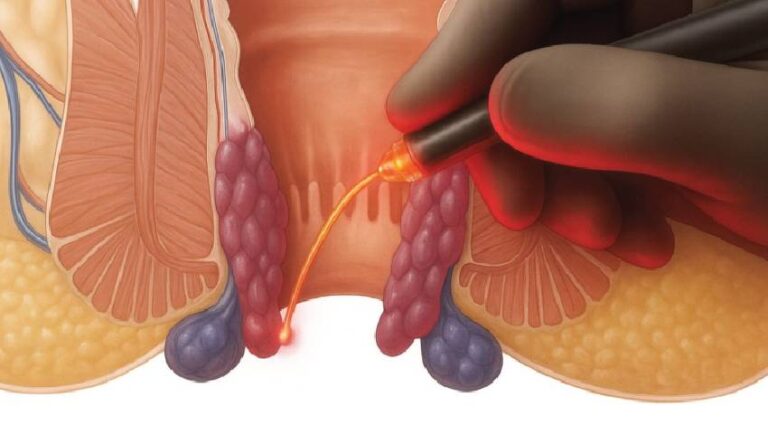
Laser treatment is a modern, minimally invasive procedure that uses a focused beam of light (laser) to shrink or remove hemorrhoidal tissue. Unlike traditional surgery, it does not involve large cuts or stitches.
The laser energy cuts off the blood supply to the hemorrhoid, causing it to shrink and eventually disappear.
How Does Laser Treatment Work?
The procedure involves the following steps:
1. The patient is given local or general anesthesia.
2. A laser probe is inserted into the affected area.
3. Laser energy is applied to the hemorrhoid tissue.
4. The blood vessels shrink and seal off.
5. The hemorrhoid gradually reduces in size.
This process is precise and causes minimal damage to surrounding tissues.
Advantages of Laser Treatment
Laser treatment has become popular due to its many benefits:
1. Minimal Pain
Compared to traditional surgery, laser treatment causes significantly less pain because there are no large incisions.
2. Quick Procedure
The entire process usually takes 20–30 minutes.
3. Faster Recovery
Patients can return to normal activities within 2–3 days.
4. Minimal Bleeding
The laser seals blood vessels instantly, reducing bleeding during and after the procedure.
5. No Stitches Required
Since there are no cuts, stitches are not needed.
6. Lower Risk of Infection
The precision of the laser reduces the risk of infection.
Who Is Suitable for Laser Treatment?
Laser treatment is ideal for:
Moderate to severe piles (Grade 2, 3, and some Grade 4 cases)
Patients who do not respond to medication
Individuals seeking a quick and less painful solution
However, a doctor’s evaluation is necessary to determine suitability.
Preparation Before the Procedure
Before undergoing laser treatment, patients may need to:
Undergo basic medical tests
Inform the doctor about medications
Avoid heavy meals before the procedure
Follow bowel preparation instructions if required
Recovery After Laser Treatment
Recovery is usually smooth and quick. Here’s what to expect:
First Few Days
Mild discomfort or burning sensation
Slight swelling
Minimal bleeding (rare)
Within a Week
Most symptoms improve significantly
Normal bowel movements resume
Full Recovery
Typically within 2–3 weeks
Post-Treatment Care Tips
To ensure faster healing and prevent recurrence:
Eat a high-fiber diet
Drink plenty of water
Avoid straining during bowel movements
Take prescribed medications
Maintain proper hygiene
Avoid sitting for long periods
Are There Any Risks?
Laser treatment is generally safe, but like any medical procedure, it may have minor risks:
Mild pain or discomfort
Temporary swelling
Rare infection
Recurrence if lifestyle is not maintained
These risks are much lower compared to traditional surgery.
Cost of Laser Treatment
The cost of laser treatment varies depending on:
Location and hospital
Doctor’s expertise
Severity of the condition
Although it may be more expensive than conventional treatment, many consider it worth the cost due to faster recovery and less pain.
Laser Treatment vs Traditional Surgery
Feature Laser Treatment Traditional Surgery
Pain Very low High
Recovery time 2–3 days 2–3 weeks
Bleeding Minimal More
Hospital stay Usually not required May require
Risk of infection Low Higher
When Should You See a Doctor?
You should consult a doctor if you experience:
Persistent bleeding
Severe pain
Swelling that does not reduce
No improvement with medication
Early treatment prevents complications.
Can Piles Come Back After Laser Treatment?
Yes, piles can recur if lifestyle habits are not improved. To prevent recurrence:
Maintain a healthy diet
Stay active
Avoid constipation
Follow medical advice
Conclusion
Laser treatment for piles is a modern, safe, and effective solution for those seeking relief from this painful condition. It offers numerous advantages over traditional surgery, including minimal pain, quick recovery, and fewer complications.
However, it is essential to consult a qualified doctor to determine whether laser treatment is suitable for your condition. Along with treatment, maintaining a healthy lifestyle is crucial to ensure long-term relief.
Piles may be uncomfortable, but with advanced treatments like laser therapy, managing and curing the condition has become easier than ever.