
Piles Treatment
Piles, medically known as Hemorrhoids, is a common condition that affects many people around the world. It occurs when the veins in the lower rectum or anus become swollen, enlarged, and inflamed. This condition can cause discomfort and interfere with daily life if not treated properly.
Many people feel embarrassed discussing piles, but it is important to understand that it is a very common medical issue. With modern medical treatments and proper lifestyle changes, piles can be treated effectively and symptoms can be relieved quickly.
This article explains the causes, symptoms, and different treatment options available for piles.
What Are Piles?
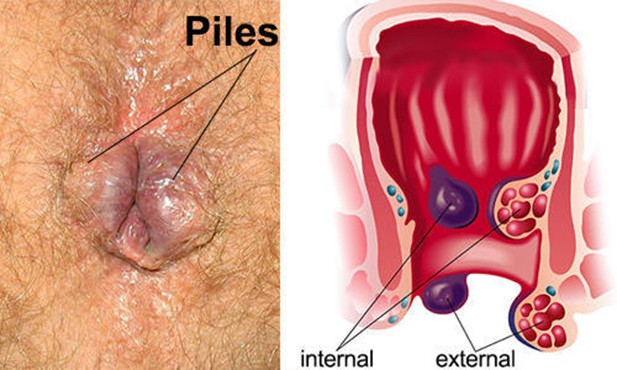
Piles are swollen blood vessels located in the rectum or around the anus. These veins can become enlarged due to increased pressure in the lower rectal area. Piles may develop gradually and may cause mild to severe symptoms depending on the stage of the condition.
There are two main types of piles:
Internal piles – These develop inside the rectum and are usually painless but may cause bleeding during bowel movements.
External piles – These form under the skin around the anus and can cause pain, swelling, and irritation.
In some cases, internal piles may protrude outside the anus, a condition known as prolapsed hemorrhoids.
Causes of Piles
Piles are usually caused by increased pressure on the veins in the rectal area. Several factors can contribute to the development of this condition.
One of the most common causes is chronic constipation. Straining during bowel movements puts pressure on the rectal veins, which can lead to swelling.
Prolonged sitting is another common cause. People who sit for long periods, especially on the toilet, may develop piles due to pressure on the anal area.
Pregnancy can also increase the risk of piles because the growing uterus puts pressure on the pelvic veins.
Other possible causes include:
Low-fiber diet
Obesity
Lack of physical activity
Heavy lifting
Aging
Understanding the causes of piles helps in preventing the condition and choosing the right treatment.
Symptoms of Piles
The symptoms of piles can vary depending on the type and severity of the condition.
Common symptoms include:
Pain or discomfort during bowel movements
Bleeding from the rectum
Itching or irritation around the anus
Swelling or lumps near the anus
A feeling of incomplete bowel movement
External piles may cause more pain because they occur in a sensitive area of the body. Internal piles, on the other hand, may cause painless bleeding.
If these symptoms persist, medical consultation is recommended.
Diagnosis of Piles
Doctors diagnose piles through physical examination and medical history. During the consultation, the doctor may ask about symptoms, diet, and bowel habits.
In some cases, additional tests may be performed, such as:
Digital rectal examination
Anoscopy
Proctoscopy
These tests help doctors confirm the diagnosis and determine the stage of the condition.
Treatment Options for Piles
Treatment for piles depends on the severity of the symptoms and the stage of the disease. Doctors usually start with simple treatments before recommending surgical procedures.
Lifestyle and Dietary Changes
For mild cases of piles, lifestyle changes can provide significant relief.
Increasing fiber intake is one of the most important steps. Fiber helps soften stools and makes bowel movements easier. Foods rich in fiber include fruits, vegetables, whole grains, and legumes.
Drinking plenty of water is also important because it helps prevent constipation.
Regular exercise improves digestion and reduces pressure on the rectal veins.
Avoiding long periods of sitting and responding to the urge to pass stool promptly can also help prevent piles from worsening.
Medications
Doctors may prescribe medications to relieve symptoms and reduce inflammation.
Common medications include:
Pain relief creams and ointments
Anti-inflammatory drugs
Stool softeners
Fiber supplements
These medications help reduce swelling, relieve itching, and make bowel movements more comfortable.
Non-Surgical Treatments
If symptoms persist despite medication and lifestyle changes, doctors may recommend minimally invasive procedures.
Rubber band ligation is one of the most common treatments. In this procedure, a small rubber band is placed around the base of the hemorrhoid to cut off blood supply. The hemorrhoid eventually shrinks and falls off.
Sclerotherapy involves injecting a chemical solution into the hemorrhoid to shrink the swollen vein.
Infrared coagulation uses heat to cut off blood supply to the hemorrhoid, causing it to shrink.
These procedures are usually quick and performed without hospital admission.
Laser Treatment
Laser piles treatment is a modern technique that uses laser energy to remove or shrink hemorrhoids. This method is less painful than traditional surgery and allows faster recovery.
Advantages of laser treatment include:
Minimal bleeding
Less pain
Short hospital stay
Quick return to normal activities
Many patients prefer laser treatment because of its effectiveness and convenience.
Surgical Treatment
In severe cases, surgery may be necessary.
A common surgical procedure is hemorrhoidectomy, where the swollen hemorrhoids are removed completely.
Another option is stapled hemorrhoidopexy, which reduces blood flow to hemorrhoids and repositions the tissue.
Although surgery may require longer recovery, it is highly effective for advanced piles.
Prevention of Piles
Preventing piles is possible by adopting healthy habits.
Important preventive measures include:
Eating a high-fiber diet
Drinking enough water
Exercising regularly
Avoiding prolonged sitting
Maintaining healthy body weight
These habits help maintain good digestive health and reduce pressure on the rectal veins.
When to See a Doctor
It is important to seek medical help if you experience:
Continuous rectal bleeding
Severe pain in the anal area
Large swelling or lumps near the anus
Symptoms that do not improve with home treatment
A doctor can provide proper diagnosis and recommend effective treatment.
Conclusion
Piles is a common condition that can cause discomfort and inconvenience in daily life. However, with early diagnosis and proper treatment, most cases can be managed effectively.
Treatment options include lifestyle changes, medications, minimally invasive procedures, laser therapy, and surgery for severe cases. Maintaining healthy habits such as a fiber-rich diet, regular exercise, and proper hydration can help prevent piles from developing.
If symptoms persist or worsen, consulting a medical professional is essential. With the right treatment and preventive measures, patients can achieve relief and maintain a healthy and comfortable life.