
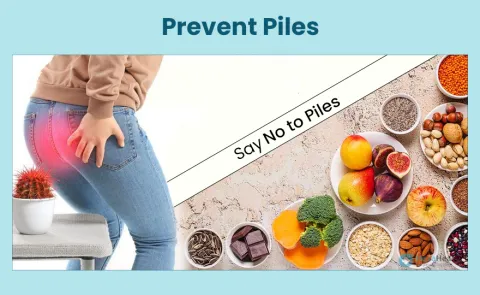
How to Prevent Piles
Piles, medically known as Hemorrhoids, is a common condition that affects many people around the world. It occurs when the veins in the lower rectum or around the anus become swollen due to increased pressure. This condition can cause symptoms such as pain, itching, swelling, and bleeding during bowel movements.
Although piles can be uncomfortable, the good news is that they are often preventable. By adopting healthy lifestyle habits and maintaining good digestive health, the risk of developing piles can be significantly reduced. Understanding how to prevent piles is important for maintaining overall health and avoiding unnecessary discomfort.
This article explains effective ways to prevent piles and keep the digestive system healthy.
Eat a High-Fiber Diet
One of the most effective ways to prevent piles is to eat a diet rich in fiber. Fiber helps soften stool and promotes smooth bowel movements. When stool is soft and easy to pass, there is less need for straining during bowel movements, which reduces pressure on the veins in the rectum.
Foods rich in fiber include:
Fruits such as apples, bananas, oranges, and pears
Vegetables like spinach, broccoli, carrots, and cabbage
Whole grains such as oats, brown rice, and whole wheat bread
Legumes including beans, lentils, and chickpeas
Adding these foods to your daily meals can improve digestion and prevent constipation, which is one of the main causes of piles.
Drink Plenty of Water
Staying hydrated is essential for healthy digestion. Drinking enough water helps keep stools soft and prevents constipation.
Most health experts recommend drinking at least 6 to 8 glasses of water per day. Water helps fiber work more effectively in the digestive system and makes bowel movements easier.
In addition to water, natural juices and soups can also contribute to proper hydration.
Avoid Straining During Bowel Movements
Straining during bowel movements increases pressure on the veins in the rectum. Over time, this pressure can lead to the formation of piles.
To prevent straining, it is important to maintain regular bowel habits. When you feel the urge to pass stool, try to go to the bathroom promptly rather than delaying it.
Avoid spending long periods sitting on the toilet, as this can also increase pressure on the anal veins.
Exercise Regularly
Regular physical activity plays an important role in preventing piles. Exercise helps improve digestion and stimulates bowel movements.
A sedentary lifestyle can slow down the digestive system and lead to constipation. Engaging in regular physical activity keeps the digestive system active and reduces the risk of piles.
Simple exercises that can help include:
Walking
Jogging
Cycling
Yoga
Swimming
Even moderate physical activity for 30 minutes a day can help maintain healthy bowel function.
Maintain a Healthy Body Weight
Excess body weight can increase pressure on the veins in the abdomen and rectal area. This pressure may contribute to the development of piles.
Maintaining a healthy body weight through balanced diet and regular exercise can reduce this pressure and lower the risk of piles.
Healthy weight management also supports overall health and prevents many other medical conditions.
Avoid Prolonged Sitting
Sitting for long periods can increase pressure on the lower rectum. This is especially common among people who have desk jobs or spend many hours sitting each day.
To reduce the risk of piles, try to take short breaks and move around throughout the day. Standing, stretching, or walking for a few minutes every hour can improve blood circulation and relieve pressure on the rectal veins.
Using ergonomic chairs and maintaining good posture may also help reduce strain.
Practice Good Bathroom Habits
Healthy bathroom habits are important for preventing piles.
Some useful habits include:
Going to the toilet when you feel the urge
Avoiding excessive straining
Not sitting on the toilet for long periods
Keeping the anal area clean and dry
These habits help reduce irritation and pressure in the anal region.
Include Fiber Supplements if Needed
Some people may not get enough fiber from their regular diet. In such cases, doctors may recommend fiber supplements.
Fiber supplements help increase stool bulk and promote regular bowel movements. However, they should only be used under medical guidance.
Combining supplements with a balanced diet is the best approach for maintaining digestive health.
Manage Constipation Early
Constipation is one of the main causes of piles. Therefore, it is important to address constipation as soon as it occurs.
Increasing fiber intake, drinking more water, and staying physically active can help relieve constipation.
If constipation persists for a long time, consulting a healthcare professional is recommended.
Reduce Heavy Lifting
Frequent heavy lifting can increase pressure in the abdominal area and strain the rectal veins.
People who regularly lift heavy objects should learn proper lifting techniques. Bending the knees instead of the waist and avoiding sudden strain can help reduce pressure on the body.
If possible, limit heavy lifting activities to prevent unnecessary stress on the rectal veins.
Maintain Good Hygiene
Keeping the anal area clean is important for preventing irritation and infection. Gentle cleaning with water and mild soap after bowel movements can help maintain hygiene.
Avoid using harsh chemicals or rough toilet paper, as they may irritate the skin and worsen symptoms.
Proper hygiene helps keep the anal area healthy and reduces the risk of piles.
Manage Stress
Stress can sometimes affect digestion and bowel habits. When people are stressed, they may experience irregular bowel movements or constipation.
Practicing stress management techniques such as meditation, deep breathing, or relaxation exercises can help improve digestive health and prevent piles.
Conclusion
Piles is a common condition that occurs when the veins in the rectum or anus become swollen due to increased pressure. Fortunately, many cases of piles can be prevented through simple lifestyle changes.
Eating a high-fiber diet, drinking plenty of water, exercising regularly, maintaining a healthy body weight, and practicing good bathroom habits are some of the most effective ways to prevent piles. Avoiding prolonged sitting and reducing heavy lifting can also help reduce pressure on rectal veins.
By adopting healthy habits and paying attention to digestive health, individuals can significantly lower their risk of developing piles and maintain a comfortable and healthy lifestyle. If symptoms such as bleeding, pain, or swelling occur, seeking medical advice is recommended to ensure proper care and treatment.