
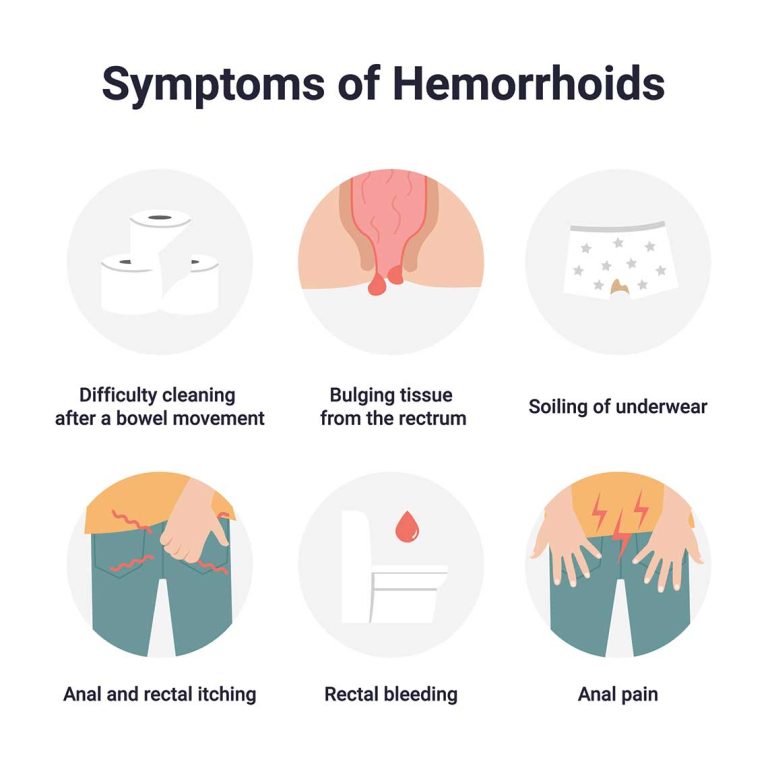
Symptoms of Hemorrhoids
Hemorrhoids, commonly known as piles, are a common medical condition that affects many people around the world. Medically referred to as Hemorrhoids, this condition occurs when the veins in the lower rectum or around the anus become swollen and inflamed. Hemorrhoids can cause discomfort, pain, and other unpleasant symptoms that may interfere with daily life.
Understanding the symptoms of hemorrhoids is important because early detection allows people to seek proper treatment and prevent complications. The symptoms can vary depending on the type and severity of the condition.
Common Symptoms of Hemorrhoids
Hemorrhoids can produce several noticeable symptoms. Some symptoms are mild and temporary, while others may become more severe if the condition worsens.
Rectal Bleeding
One of the most common symptoms of hemorrhoids is bleeding during bowel movements. People may notice bright red blood on the toilet paper, in the toilet bowl, or on the surface of the stool.
This bleeding usually occurs because the swollen veins become irritated when passing stool. In most cases, hemorrhoid-related bleeding is painless, especially with internal hemorrhoids. However, persistent bleeding should always be evaluated by a doctor.
Pain or Discomfort
Pain is another common symptom, especially in external hemorrhoids. The area around the anus contains many sensitive nerves, so swelling in this area can cause discomfort.
Pain may be experienced during bowel movements or while sitting for long periods. In some cases, severe pain may occur if a blood clot forms inside the hemorrhoid.
Itching or Irritation Around the Anus
Many people with hemorrhoids experience itching or irritation around the anal area. This itching occurs because of inflammation, mucus discharge, or irritation caused by stool.
Persistent itching can be uncomfortable and may lead to scratching, which can worsen the irritation and increase the risk of infection.
Swelling Around the Anus
Swelling or a lump near the anus is another symptom of hemorrhoids. External hemorrhoids often appear as small lumps around the anal opening.
These swollen veins may feel tender or painful to the touch. In some cases, the swelling may increase after bowel movements or prolonged sitting.
Prolapsed Hemorrhoids
In some cases, internal hemorrhoids may protrude outside the anus. This condition is known as prolapsed hemorrhoids.
A prolapsed hemorrhoid may appear as a soft lump that can sometimes be pushed back inside the rectum. However, in more severe cases, the hemorrhoid may remain outside the anus and cause discomfort.
Prolapsed hemorrhoids can lead to additional symptoms such as irritation, pain, and difficulty maintaining proper hygiene.
Mucus Discharge
Some people with hemorrhoids may notice mucus discharge from the anus. This mucus can irritate the surrounding skin and cause itching or discomfort.
The presence of mucus may also make it more difficult to keep the anal area clean, which can further worsen irritation.
A Feeling of Incomplete Bowel Movement
Another symptom associated with hemorrhoids is the sensation that the bowel movement is not fully complete. Even after passing stool, some individuals may feel pressure or fullness in the rectal area.
This sensation may occur because swollen hemorrhoids interfere with normal bowel function.
Thrombosed Hemorrhoids
In some cases, a blood clot may form inside an external hemorrhoid. This condition is called thrombosed hemorrhoids and can cause severe symptoms.
Symptoms of thrombosed hemorrhoids may include:
Intense pain
A hard lump near the anus
Increased swelling
Dark or bluish discoloration of the skin
Thrombosed hemorrhoids may require medical treatment to relieve pain and prevent complications.
Differences Between Internal and External Hemorrhoid Symptoms
Hemorrhoids are generally classified into two main types: internal and external. Each type may produce slightly different symptoms.
Internal Hemorrhoids
Internal hemorrhoids develop inside the rectum and are usually not visible from outside the body.
Common symptoms include:
Painless rectal bleeding
Prolapsed hemorrhoids
Mild discomfort
Because internal hemorrhoids occur inside the rectum, they often do not cause significant pain unless they prolapse.
External Hemorrhoids
External hemorrhoids develop under the skin around the anus. These hemorrhoids are more likely to cause noticeable symptoms.
Common symptoms include:
Pain and tenderness
Swelling around the anus
Itching or irritation
Bleeding during bowel movements
External hemorrhoids are often more uncomfortable because the anal area contains many sensitive nerve endings.
Symptoms That May Indicate a Serious Problem
Although hemorrhoids are usually not dangerous, certain symptoms may indicate a more serious condition.
You should seek medical attention if you experience:
Heavy or persistent rectal bleeding
Severe pain that does not improve
A large lump near the anus
Black or dark-colored stool
Symptoms lasting longer than a few weeks
These symptoms may require further medical evaluation to rule out other digestive conditions.
When to See a Doctor
Many cases of hemorrhoids improve with home treatment and lifestyle changes. However, it is important to consult a healthcare professional if symptoms worsen or do not improve.
A doctor can diagnose hemorrhoids through physical examination and recommend appropriate treatment options. Early medical care helps prevent complications and ensures faster recovery.
Managing Hemorrhoid Symptoms
Several steps can help reduce hemorrhoid symptoms and prevent them from worsening.
Helpful measures include:
Eating a high-fiber diet
Drinking plenty of water
Avoiding prolonged sitting
Exercising regularly
Using warm sitz baths to relieve discomfort
These lifestyle habits support healthy digestion and reduce pressure on rectal veins.
Conclusion
Hemorrhoids are a common condition that can cause symptoms such as bleeding, pain, itching, swelling, and discomfort around the anus. The severity of symptoms often depends on the type and stage of the condition.
Recognizing the symptoms of hemorrhoids is important for early diagnosis and treatment. While mild cases may improve with lifestyle changes and home remedies, more severe symptoms may require medical attention.
If symptoms persist or worsen, consulting a healthcare professional is recommended. With proper care and healthy lifestyle habits, hemorrhoids can be effectively managed and prevented from causing long-term discomfort.